Changing Leaves Moon
**This content was previously shared in my September 2025 newsletter. If you find it meaningful, please consider subscribing.
Waabaabagaa Giizis - The Changing Leaves Moon
As the days shorten and the cool air settles in, we welcome Waabaabagaa Giizis, the Changing Leaves Moon.
This moon invites us to pause, notice the beauty in transition, and reflect on the cycles of change. Just as the trees burst into vibrant shades of red, orange, and gold, we too can embrace transformation and find strength in shifting seasons.
“How beautifully leaves grow old. How full of light and color are their last days.”
John Burroughs
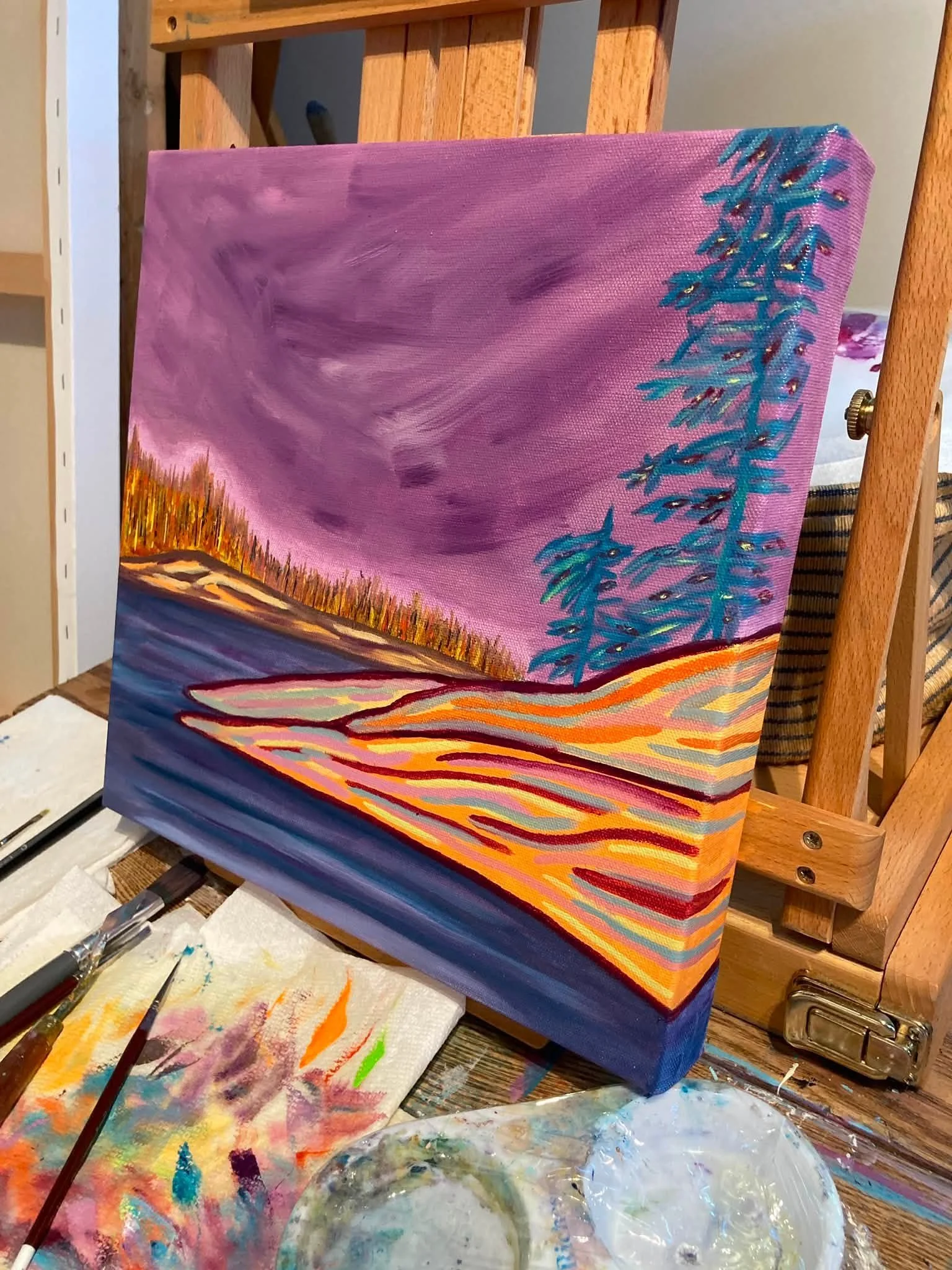
Here are a few ways to honour this moon:
🌿 Take a hike in Northumberland County. Wander through the Ganaraska Forest or Alderville’s Black Oak Savannah, where the shifting colours bring a reminder of balance and renewal.
🚗 Enjoy a scenic drive. Let the winding roads guide you past rolling hills and lakes lined with fiery reds, golds, and oranges (soon).
🔥 Gather around a fire now that the fire ban has lifted! Share stories, gratitude, or quiet reflection with loved ones, allowing the warmth to connect you to the rhythm of this season.
May today’s Changing Leaves Moon bring you beauty, balance, and gentle transformation.
P.S. Some sad personal news.
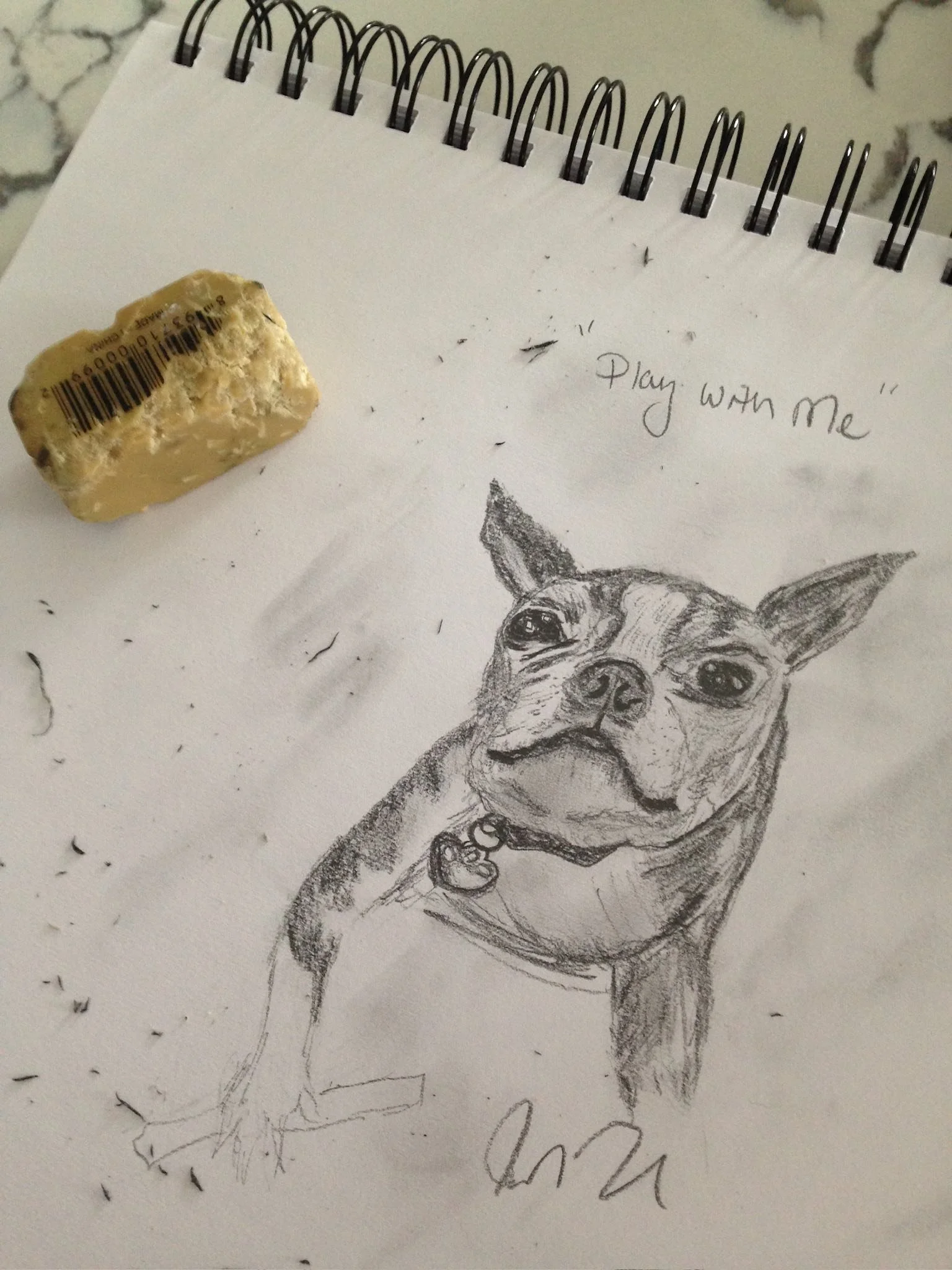
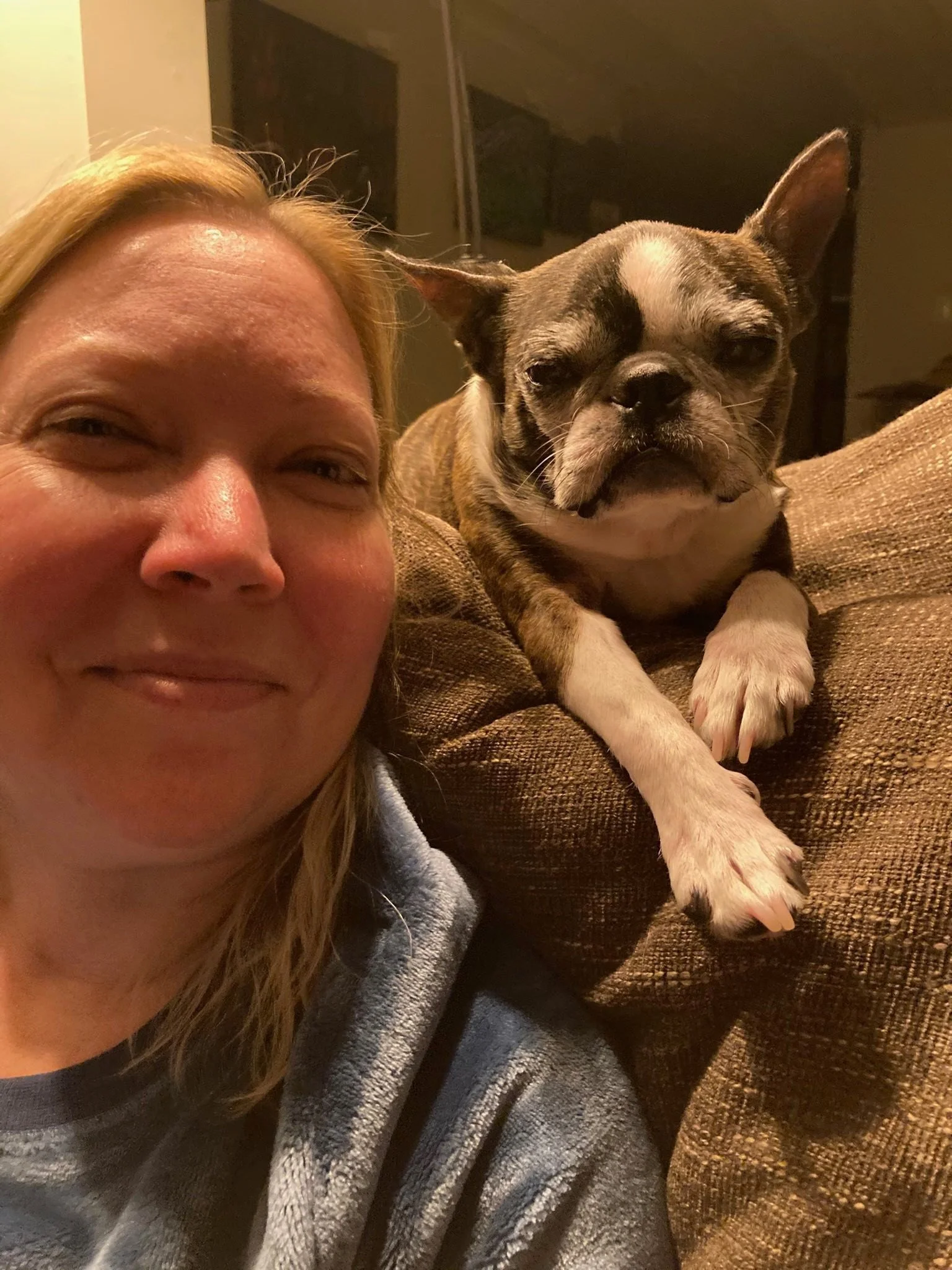
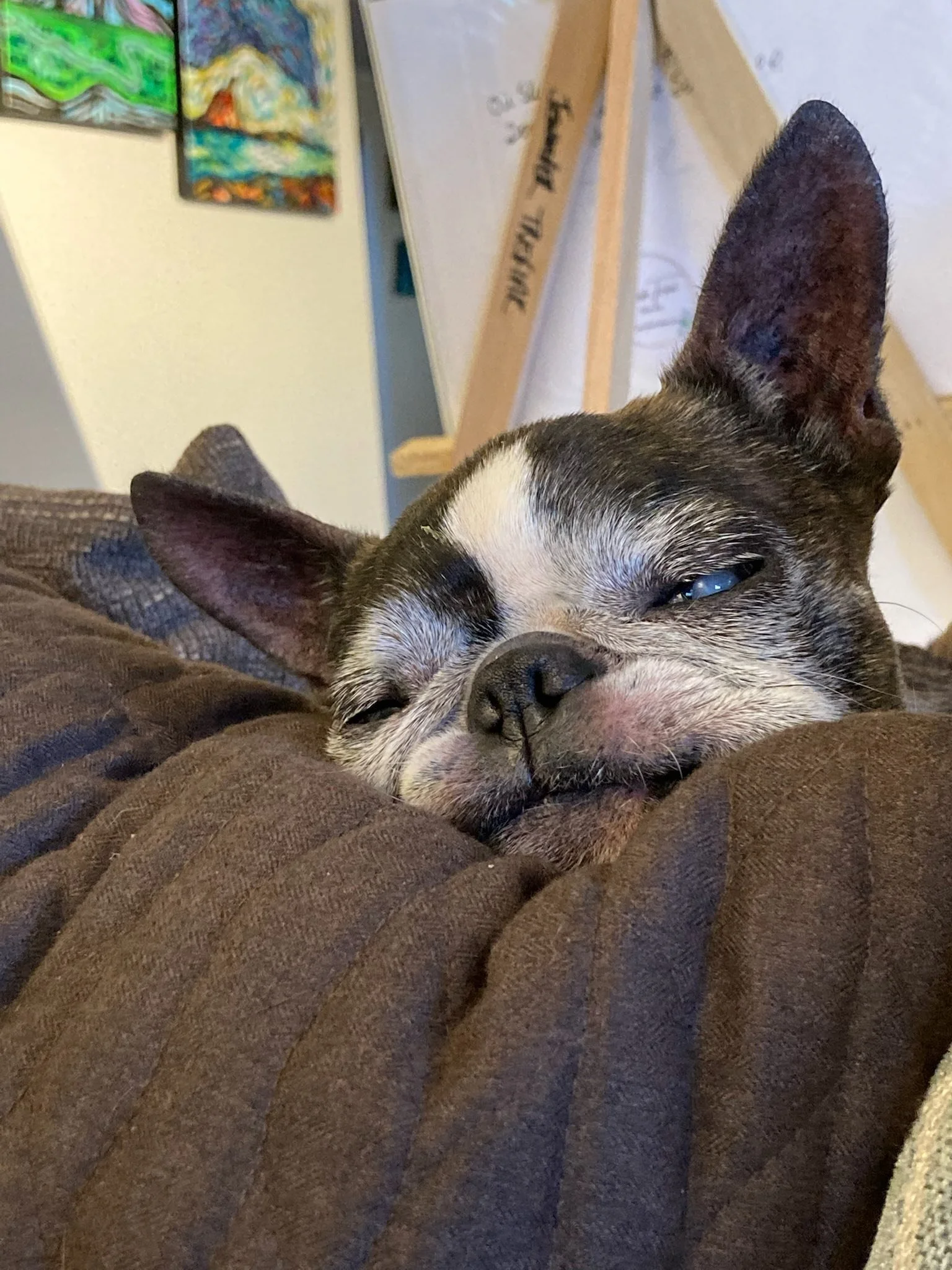
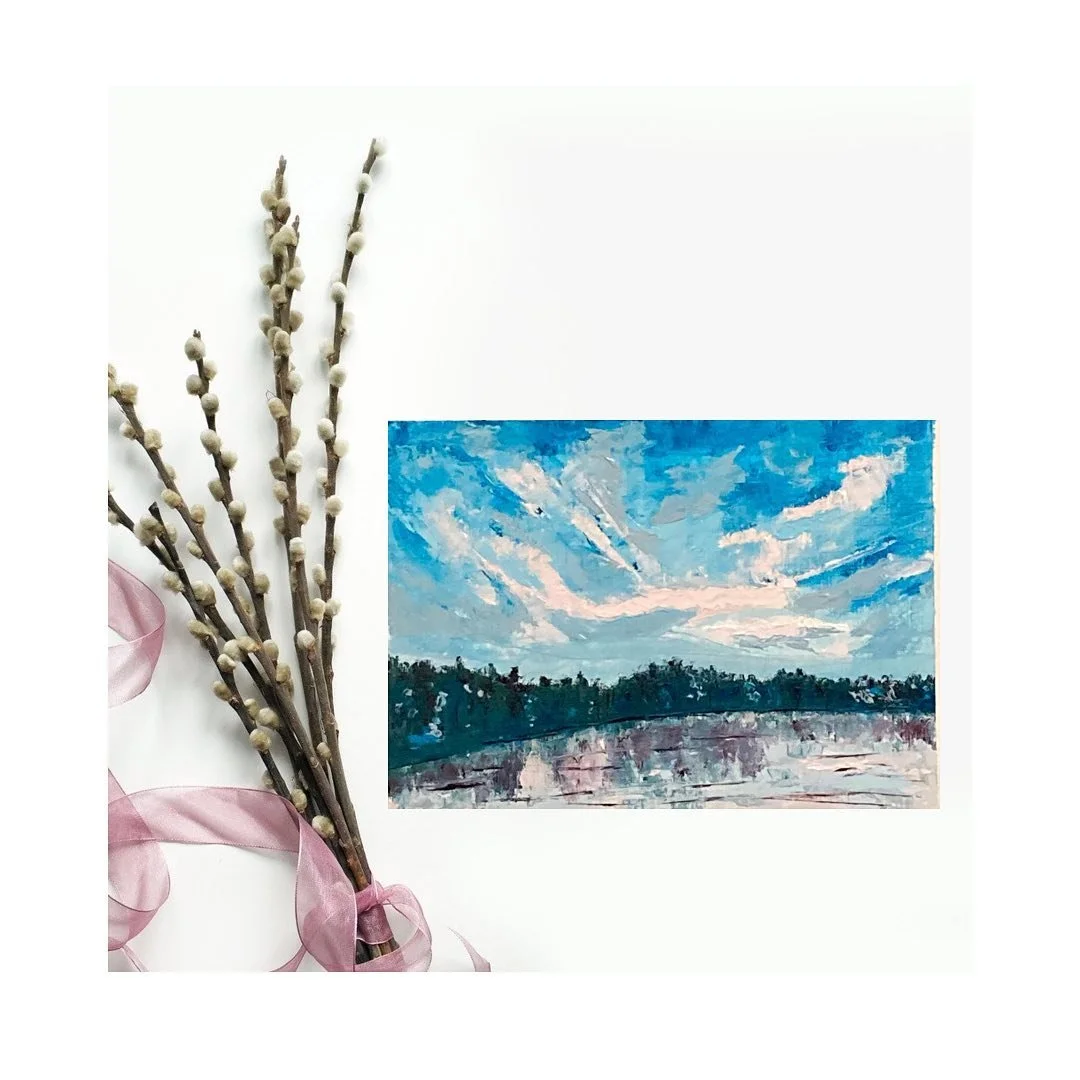
Many of you met my cherished little studio dog, Lucy. We recently guided her sweet spirit out of this world and into the next. I’ll include her photo so that you may say Baamaapii (see you again) to her too.
Ricing Moon
**This content was previously shared in my August 2025 newsletter. If you find it meaningful, please consider subscribing.
Manoominii Giizis - The Ricing Moon
Tomorrow we welcome Manoominii Giizis, the Ricing Moon — a time that honours the seasonal harvesting of manoomin, or wild rice. This moon marks a period of gratitude, hard work, and connection to the waters that sustain us.
For the Anishinaabeg, this is more than just a harvest — it is the fulfilment of a prophecy. Our ancestors were told to journey west until they reached the place where food grows on water. That food is manoomin.
About Manoomin – Wild Rice
Manoomin is a sacred plant that grows in shallow lakes and rivers. It is not truly rice, but a wild aquatic grain that:
-Nourishes our bodies as it’s rich in protein, fibre, and minerals.
-Supports the ecosystem by filtering water and creating habitat for fish and birds.
-Carries spirit and story: harvested by hand from canoe, it is a gift that connects us to land, ancestors, and ceremony.
For many First Nations (including mine) across the Great Lakes region, manoomin is not only food — it is identity, sovereignty, and relationship.
A personal story:
Last summer I had the pleasure of learning about the ricing process from our Firekeeper, who, along with my cousin and others in the community are Alderville’s rice bed caretakers. Unfortunately, the rice in Rice Lake is no longer plentiful, however, we do have smaller alternative rice beds in other locations throughout Northumberland and Quinte. Our visitor’s to PowWow that came out afterwards to our community feast were treated to traditional food and one of them was manoomin.
Words from Chief Taynar Simpson, Alderville First Nation
Chief Taynar Simpson of Alderville First Nation continues to be a strong voice for the land and waters we rely on and was just re-elected as our Chief. He recently brought international attention to Rice Lake and the Ganaraska River, advocating for their legal personhood as living entities deserving protection:
“This is an existential threat to our very existence as Indigenous people. This is our food, this is our water, this is our culture, and it is being threatened by overuse and neglect.”
— Chief Taynar Simpson, Alderville First Nation
His words are a powerful reminder that caring for manoomin means caring for the waters, the earth, and all those who rely on them.
Under the light of this Ricing Moon
As this moon rises, we may honour her teachings of reciprocity and gratitude by:
Reflecting on the waters in our own lives and how we care for them:
I highly recommend the book “Is a River Alive?” by author Robert Macfarlane. I promise you, it’s interesting and engaging.Support Indigenous efforts to protect sacred food systems like manoomin:
You can listen to Chief Simpson’s speak of the rights of nature in a past episode of Conversations Towards Reconciliation which is a regular podcast on Consider This.Learn about manoomin:
This is a short video about wild rice and its importance to Traditional Ecological Knowledge and as the hearbeat of our culture.
Whether you sit beside a quiet lake, prepare a dish of wild rice, or simply watch the moon rise — let this time be one of reconnection and reflection on nature and our place within it.
Miigwech (thank-you) for being here,
Jennifer
Berry Moon
**This content was previously shared in my July 2025 newsletter. If you find it meaningful, please consider subscribing.
Miin Giizis - the Berry Moon
Today we welcome Miin Giizis, the Berry Moon - a time when the wild berries ripen, and we are reminded of the abundance and beauty that Mother Earth offers.
For many Anishinaabeg, berries are sacred, and this season especially honours the raspberry, which grows in thickets, protected by thorns.
This moon teaches us about resilience, protection, and the strength that can grow from softness. The raspberry is both food and a plant medicine. It is associated with healing - a reminder to care for ourselves and others with patience and love. Miin Giizis teaches gentleness and kindness and the wisdom to pass through life’s thorns.
Slow down and truly taste the season
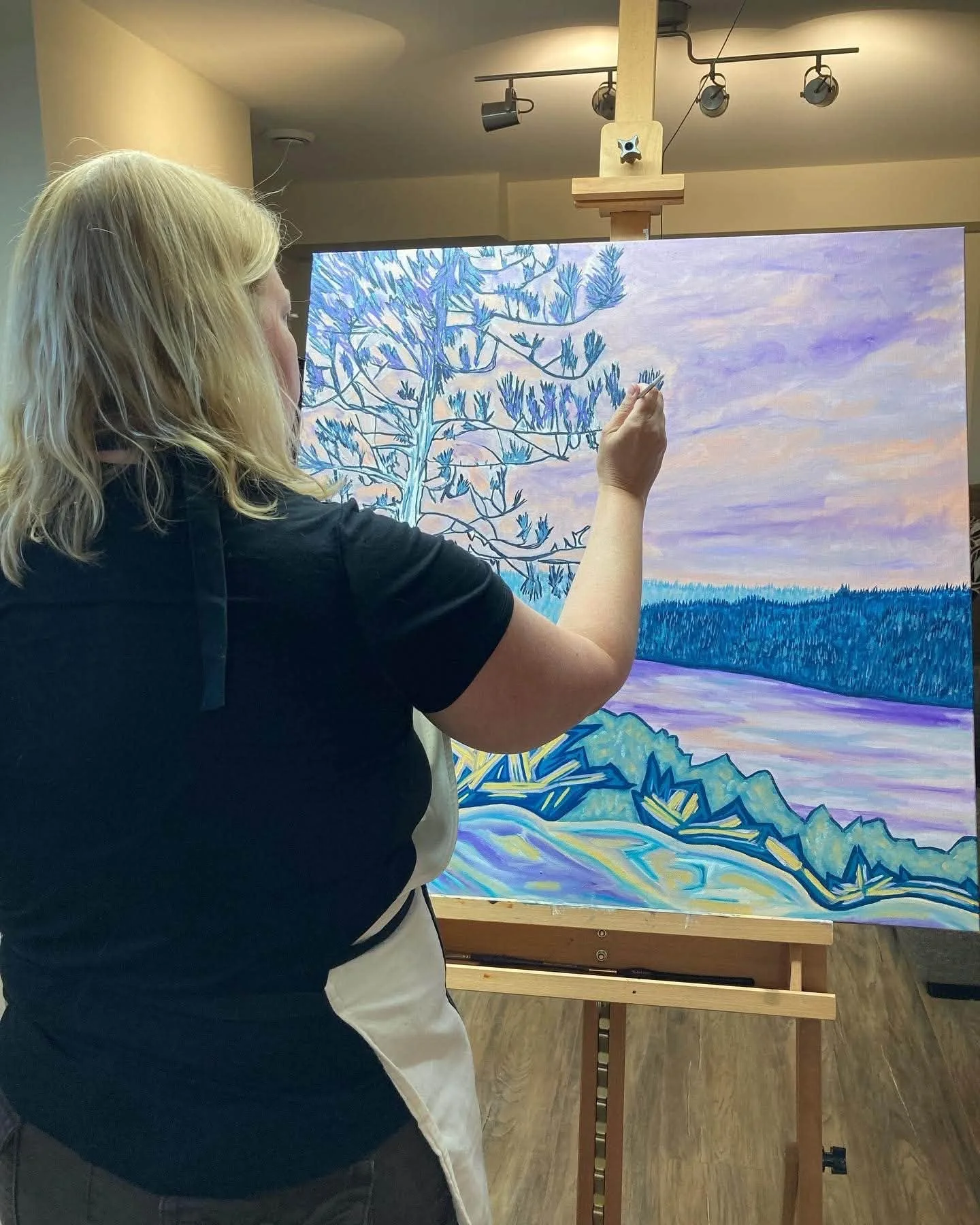
As an artist, this moon reminds me to slow down and truly taste the season - to notice the colours deepening, the sun hanging longer, and the small gifts that arrive quietly, like berries along the forest path. And, as you know, it’s a time where I pack my paints for camping - to capture nature’s messages.
In this moon’s spirit of gathering and celebration, I invite you to join us at the Alderville First Nation Powwow which is held every second weekend of July. All are welcome!
Pow Wow is a time of celebration & community
Powwow is a time to gather, dance, sing, and honour the resilience and beauty of Indigenous cultures. It's a living celebration - full of heartbeat drums, bright regalia, and shared stories.
If you’ve never been to a Powwow before you can search for Powwow etiquette online or respond to this post and I’ll help you out if I can (I’m busy finishing my regalia). If you see me there please say hello, or, aaniin!
May you find time to remember the sweetness in life amongst the thorns.
Miigwech,
Jennifer
P.S. The raspberry is my 96 yr old Nana’s favourite berry and I remember picking them from the rows she had growing behind her house when I was a child. Honestly, I ate more than I picked. She would smile at me indulgently as I handed her a few and then a week later deliver a homemade raspberry pie to our house. We still enjoy raspberries together today.
Strawberry Moon
*This blog was previously published June 11, 2025 in my 13 Moons Newsletter. If you enjoy this post please consider subscribing
Tonight, we welcome the Strawberry Moon - Ode’min Giizis in the Anishinaabe calendar. Also known as the “Heart Berry Moon,” this full moon brings teachings of love, emotional healing, and renewal.
Strawberries (ode’minaan) are the first berries to ripen in early summer. In Anishinaabemowin, the breakdown of the word ‘ode’ means heart and ‘min’ means berry. When you cut a strawberry and open it, it looks like a heart.
What the Strawberry Moon Teaches Us
In my Anishinaabe culture, they are known as heart berries. They are sacred medicine that reminds us to live with balance, forgiveness, and peace in our relationships. They mark a time of abundance and celebration as a community. During this moon, we turn our focus to growing strong relationships and supporting one another in all that we do.
The strawberry is the only fruit with its seeds on the surface to remind us that we, as humans, are the seeds of Mother Earth as we walk upon her. The strawberry symbolically represents Mother Earth, as a part of our ‘original instructions’ to honour our sacred food as a reminder of the connection between Sacred Earth and Sacred Self.
“Full moon bright, sweet fruit in sight.”
- Anonymous.
A Personal Note from Me 🍓
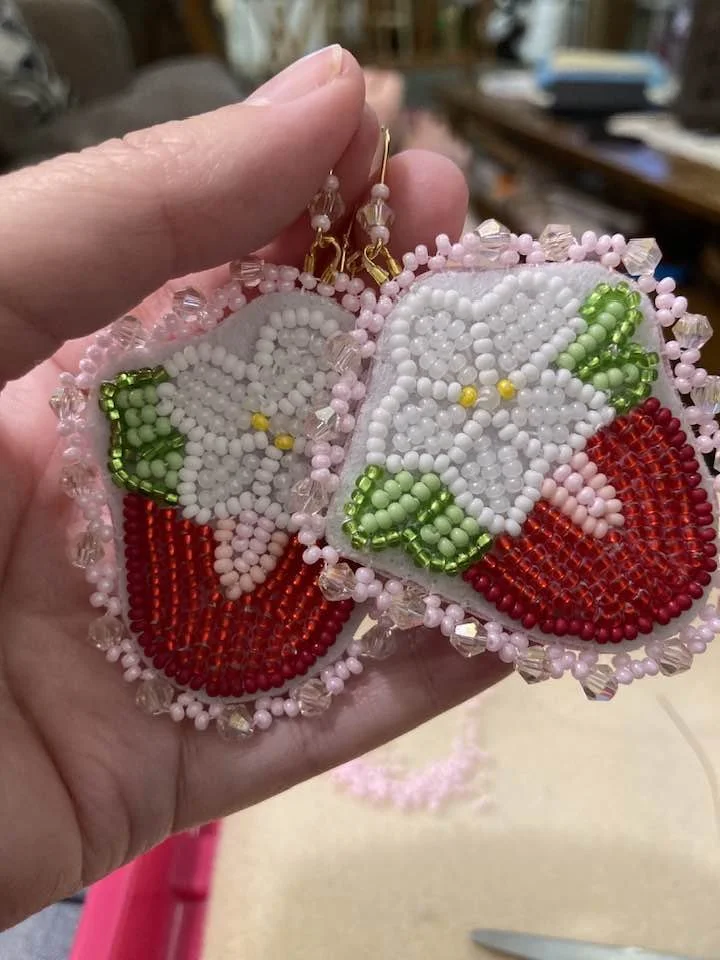
This moon is especially meaningful to me - it typically rises in my birth month, and that connection to the heart berry has become very meaningful to my life. It’s why I chose the strawberry as a central part of my Powwow regalia.
My beaded ode’min earrings hold deep personal significance. They’re a quiet reminder of where I come from, and how love, ceremony, and story live in the things we carry and create.
Ways to Celebrate the Strawberry Moon:
🍓 Share strawberries: eat them fresh and with intention, as our ancestors did.
🍓 Sing with me : learn to sing a song ‘Ode’min Giizis’ in Anishinaabemowin
🍓 Spend time with community - this moon is a time for kindness, love, and sharing
The Ode’min Giizis (Strawberry Moon) reminds us that the heart is wise, tender, and powerful. May this moon bring you together with sweetness and softness - and the strength to move forward with a strong heart.
Miigwech for walking this moon cycle with me.
With heart,
Jennifer
P.S. I’d love to hear how you’re honouring this moon. Do you have a favourite strawberry memory or a quiet ritual of your own? I always enjoy reading your reflections.
Blooming Moon
*This blog was previously published May 12, 2025 in my 13 Moons Newsletter. If you enjoy this post please consider subscribing
As May unfolds around us, we welcome Waabgonii Giizis - the Blooming Moon.
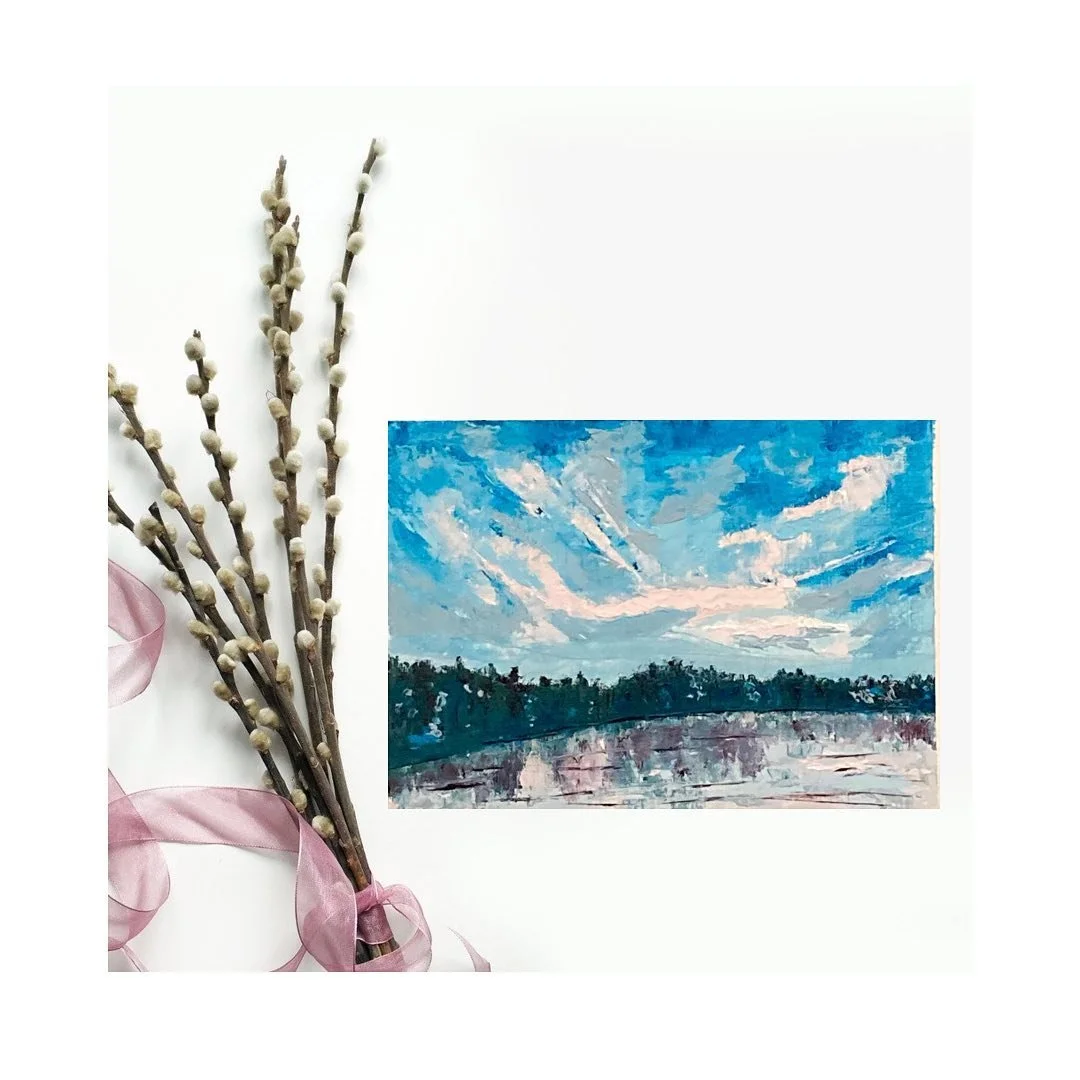
The land comes alive with wildflowers, buds, and birdsong, and the Earth feels like it's remembering how to sing again.
In Anishinaabe teachings, the Blooming Moon celebrates the Spirit sides of plants as they bloom, offering powerful healing energy. It encourages us to explore our spiritual essence.
What the Blooming Moon Teaches Us
The Blooming Moon is a reminder that our growth does not need to be loud to be meaningful. Quiet transformation is still sacred. Just as the flowers bloom in their own time, we too are invited to open slowly and intentionally.
Traditionally, this moon is a time for plant knowledge to be shared, medicines to begin returning to the forest floor, and families to spend time gathering and connecting after a long winter. It's a beautiful reminder of our place in the web of life — part of the cycle, not separate from it.
“When we live by the seasons, we return to our original instructions — to be in relationship with the Earth and each other.”
— Leanne Betasamosake Simpson (Alderville First Nation)
Ways to Celebrate the Blooming Moon:
🌸 Spend time with flowers and plants: Whether it's in the forest, your garden, or your neighbourhood — greet the blooming ones. Learn their names. Offer thanks.
If you follow me on social media you’ll have seen my recent posts about my adventures foraging for birch and fiddleheads. Blooming Moon is a time that indaanis (my daughter) and I spend out in nature — teaching each other about plant foods and medicines. It’s a sacred time with her that I cherish.
🌸 Create something: Write a poem, sketch a petal, take a photo of a wild bloom — creativity is a form of honouring.
🌸 Share beauty with someone: A kind word, a note, a fresh-picked flower — these small acts ripple outward more than we know.
Suggested reading: Plants Have So Much to Give Us, All We Have to Do Is Ask: Anishinaabe Botanical Teachings by Mary Siisip Geniusz
Suggested nature app: iNaturalist
As the Blooming Moon rises, I invite you to reflect not only on what is blooming in the world around you — but what is blooming within you. This moon reminds us to honour the beauty we carry, the care we offer, and the way we each are part of nature’s traditional ecological knowledge.
Miigwech (thank you) for being here and for sharing in this journey through the moons with me,
♥Jennifer
P.S. Do you have a flower or plant you feel connected to? I’d love to hear what’s blooming where you are — feel free to comment below.
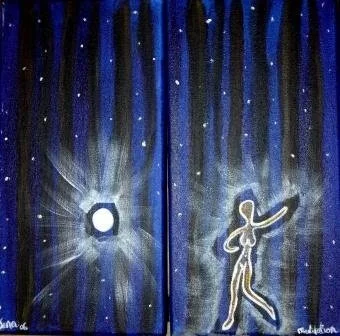
Sugar Moon
This was previously shared in my 13 Moons Newsletter in 2025. If you enjoy this kind of content please subscribe.
Today in April, we enter Ziisbaakdoke Giizis — the Sugar Moon.
This moon carries the spirit of sweetness and renewal. It's the time when maple trees begin to offer their sap, and the Anishinaabe people gather to honour this ancient and generous gift from the land.
The Sugar Moon reminds us of our relationship with the trees — not just as resources, but as living relatives. The sugar maple (ininaatig), is seen as a teacher and provider. When the nights are cold and the days begin to warm, the sap begins to flow — marking one of the first signs that life is returning to the land.
The Meaning of the Sugar Moon
Traditionally, Anishinaabe families would gather at sugar bush camps to harvest and boil sap — a time of both work and joy. Elders passed down stories, children played among the trees, and everyone helped with the sugaring process. It was a communal time that celebrated balance: the return of warmth, the generosity of nature, and the relationships that sustained the people.
This moon teaches us about patience and attentiveness. Making maple syrup takes a very long time. Sap must be carefully gathered, boiled slowly, and tended with care. In this way, Ziisbaakdoke Giizis teaches us to slow down, to savor life, and to honour the quiet labours that lead to sweetness.
Ways to Honor the Sugar Moon:
Visit the Maples:
If you live near maple trees, take a walk amongst them. Or visit your local sugarbush, if there is one in your area.
Make or Taste Something Sweet:
These are some of my favourite ways to enjoy maple syrup: drizzled on manoomin (wild rice) pudding or my homemade yogurt; or added to some cedar tea or to coffee as a special treat.
Reflect on What Nourishes You:
What practices, people, or places help you grow? How can you give back to them this season?
Ziisbaakdoke Giizis reminds us that sweetness doesn’t just arrive — it’s gathered slowly, shared in community, and cherished when it comes. As you move through this moon, may you feel the quiet joy of returning life and the warmth of connection.
Miigwech (thank you) for sharing in the spirit of this moon with me.
♥ Jennifer
P.S. Do you have a memory of maple sugaring — or a springtime ritual that brings you joy? I’d love to hear it.
When the world (and your body) is on fire
*Disclaimer: this post is VERY long and mentions politics and women’s health and maybe TMI. Dive in when you’re ready and grab a cup of tea.
How’s everybody doing? Remember that meme of the little cartoon dog sitting surrounded by fire saying “this is fine”. Things feel like that don’t they? They do to me. Especially right now.
The world
I’m trying not to get sucked down into a quicksand pit of negativity by reading the news everyday. I think it’s important to keep knowledgeable and not bury our heads in the sand but it’s also important to know what we can, and can’t, control. If you feel passionate about standing up for a certain political issue and have the means and background to do that, please do! But if you have been fighting for basic rights your entire life or are living without economic security and are just darn tired, well - you keep doing the best you can.
Sometimes we have to hand the torch off to those who don’t have that lived experience. That’s what I’m seeing down south. Those marches of protest (in my opinion) should be of a certain demographic because they are at less risk of arrest, violence, and detention. For the people most at risk there are other ways to contribute safely.
Before we pat ourselves on the back up here in Ontario we should take a look around.
Are we doing any better?
I suppose in some ways yes. But, our environmental protections has been stripped, our water is being sold and our public resources are being privatized. There’s a folksy good ‘ole country boy act happening by our Premier and there’s an American politics playbook being utilized that most people aren’t acknowledging.
Or people are being fooled.
Or they don’t care.
It could be all of the above. It’s hard to give a sh!t when you can’t afford groceries or your bills.
Listen, it’s not all as bad as it seems. Doom and gloom sells and positivity doesn’t. Not to say there aren’t some absolutely horrific atrocities being committed in the world right now - there are. But in amongst that darkness there is light. Those stories tend to fall into the cracks. I believe in the goodness of people. I believe that Mother Earth is preferential to balance. I believe humans have the potential to be compassionate and peaceful beings. I hope, I hope, I hope…..
My body
I thought I had arrived at this middle part of my life sort-of-ok considering what I’ve survived so far. Upon reflection, I think grieving for my Dad and Sister these past few years helped to disguise some things. But holy f*ck did it seem like everything hit me all at once. Night sweats. Lack of sleep. UTI. Hot flashes I didn’t realize I was having. I’m a moody bog witch and I don’t know who has it worse? My husband or me.
You may be asking yourself how I couldn’t know I was having hot flashes. Fair. Grab another cup of tea.
When I was 26 I wound up in the ER in extreme pain with what turned out to be an ovarian cyst. I actually had multiple but one was very large and so I was scheduled for surgery. They can’t diagnose which kind until they go in there and since it was large and had likely burst it needed to be removed. This was a major abdominal surgery (not laparoscopic) but was only supposed to take 2 hours from what I remember. I would be put under, operated on, then recover and go home. The surgery took more hours in the end because the cysts were caused by endometriosis. Fortunately, my ovaries were saved and the surgeon took extra time to remove all of the endometriosis they could find. They did some repair with my uterus too but I don’t remember what. It is a hazy time for me (my mom had died 6 months before the surgery and I was newly married to my first husband). After the surgery I was told about my diagnosis and next steps. In addition to healing for 6-8 weeks I would need to be put into medical menopause for a full year (Zoladex injections if you’re curious). If I wanted children I had to try immediately after that.
Medically induced menopause is nothing like natural menopause.
I will stress that to anyone going through either. And that’s why I didn’t know immediately that I was having hot flashes because they are mild in comparison to what I had when I was 27. Thankfully the remedy for both turns out to be HRT although I’m waiting for the approval for that at 50 yrs old. Oh the irony of taking Estrogel at 27 but not at the cusp of 51. Our healthcare system doesn’t make logical sense for women does it? To be fair to my NP, she is ensuring I’m not at extra risk of breast cancer due to my sister. And so, I am still experiencing my moontime but with the added spice of perimenopause symptoms. Managing both means I have to do a lot of rescheduling and not accomplishing all that I normally would. I live day to day now according to my wellness.
How any woman accomplishes anything in life at this stage is beyond me.
Women are taking care of children, homes, parents, grandparents, working, bleeding, not sleeping, are on a slow burn from the inside, experiencing GSM (don’t ignore that), feeling like they are in an alien body, and trying to keep it all together.
Somehow, with all of this, we are told we need to: exercise more, eat healthy foods, take time for yourself, meditate, limit alcohol, lower stress, eat more protein, take your supplements, lose weight, get more sleep blah blah blah.
You can’t out lifestyle a decline in hormones. You just can’t. It’s extremely good to do all those things, if you have any scrap of energy left in your bones - but if they don’t help, it’s not your fault. I keep saying that to myself as I try to do ALL the things while I wait for my MRT referral.
What I’ve learned in life so far is that we are all fighting a battle.
For some of us, it’s literally a war and physical survival. Or protesting for our rights. For others, it’s invisible or internal. I try my best to remember that and to be compassionate and caring when I encounter someone who is rude or impatient. Perhaps, for them, it’s their worst day. So, I try to give them grace. I hope I’m given grace when I’m not at my best too.
All this is to say that the world is on fire and so are some of you - me included. Do the best that you can. Turn off the news sometimes. Be kind. Get out into nature. Share stories. Love hard. Support each other. Maybe those are the things that will help us to get though this together.
Broken Snowshoe Moon
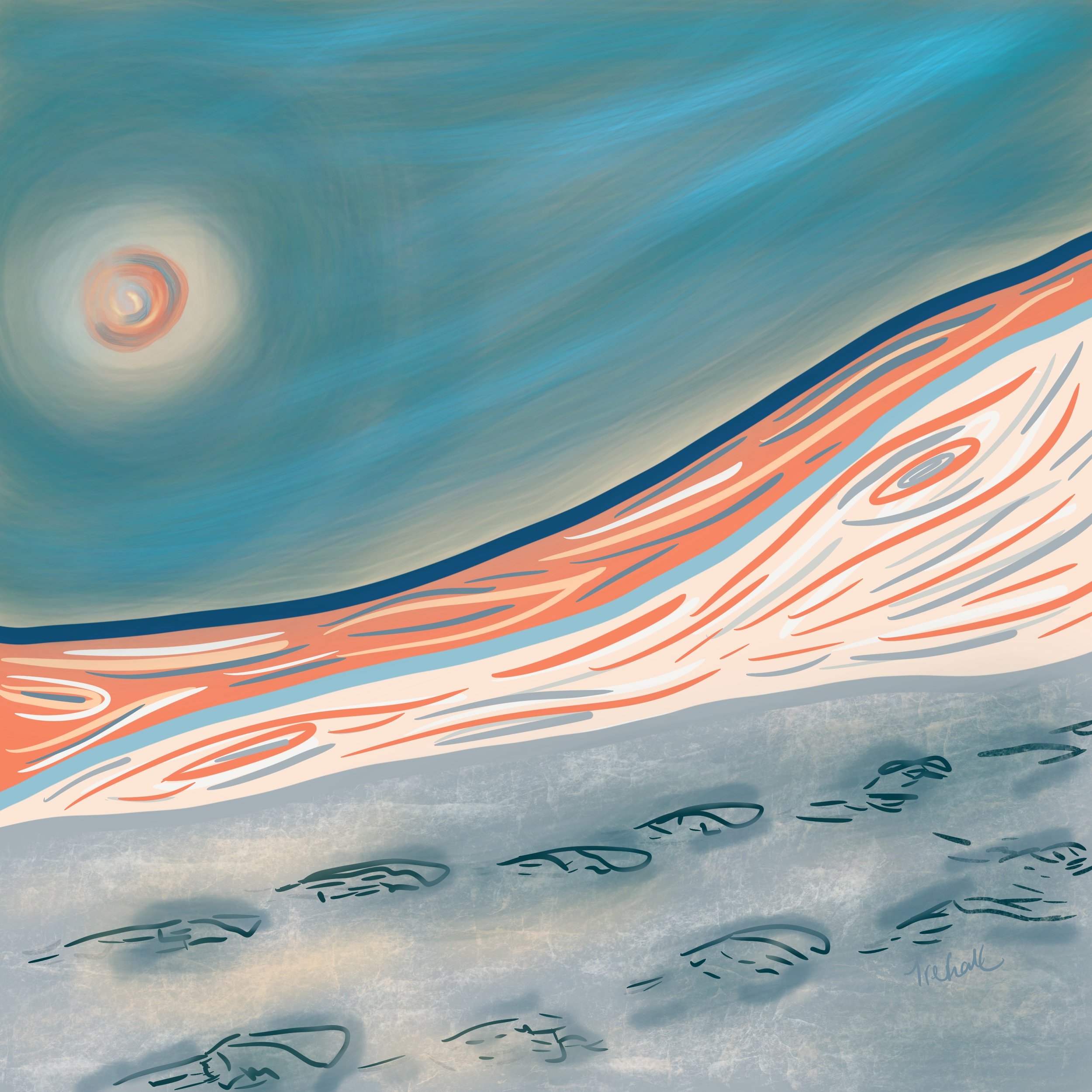
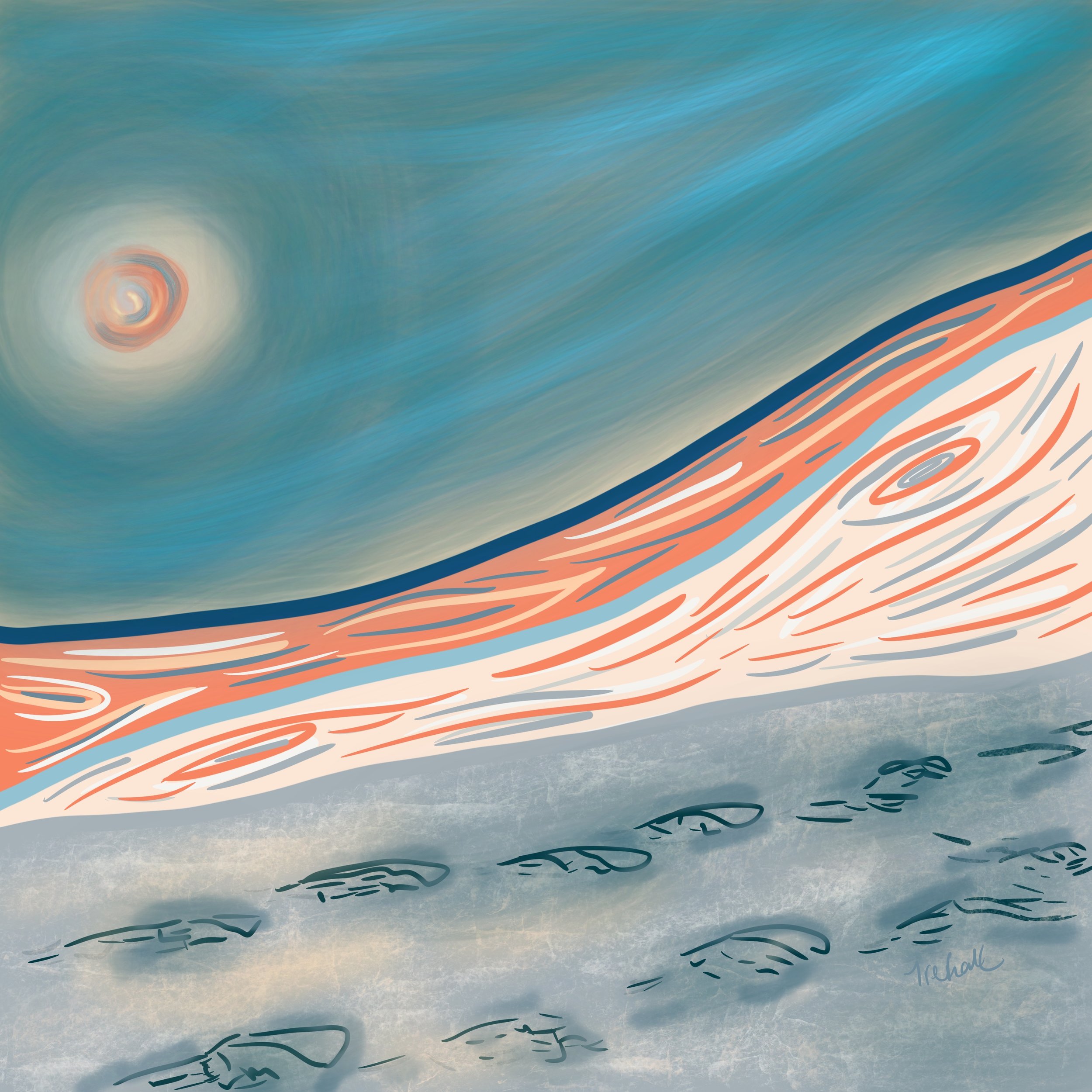
March is a time of shifting landscapes, where the deep snows of winter begin to soften. In Anishinaabe culture, this moon is called Broken Snowshoe Moon, or Boopoogame Giizis.
The Meaning of Broken Snowshoe Moon
This moon’s name comes from a time when the weight of the season begins to press upon us—when old trails become difficult to navigate, and even strong snowshoes may break under the strain. It is a reminder that while the hardest part of the journey may be behind us, persistence is still needed before the arrival of spring.
For the Anishinaabe, this was a time of both challenge and renewal. Food stores could run low and travel remained difficult. Yet, there was also hope, as longer days and shifting weather signaled the land’s slow awakening. The lessons of this moon teach us that even in hardship, there is growth, and even when the path is uncertain, we can find new ways forward.
I am reminded of the words of Richard Wagamese, an Ojibwe author whose writing carries the wisdom of our people:
“We are not meant to be perfect. We are meant to be whole.”
Ways to Honour the Broken Snowshoe Moon:
Embrace Adaptability: If you’re facing unexpected challenges, trust in your ability to adapt. Just as a broken snowshoe can be mended or replaced, setbacks often lead to creative solutions.
Reflect on Your Strength: Think about what has carried you through winter, both physically and emotionally. What lessons have you learned? What resilience have you built?
Create or Restore: This is a powerful time for making repairs, whether it’s mending clothing, restoring something in your home, or even tending to relationships that need care.
The Broken Snowshoe Moon reminds us that we are nearing the end of winter’s long journey. Though the path may not always be smooth, our strength carries us forward. Trust in the process, and know that renewal is on the horizon.
(This was blog previously shared in my 13 Moons Newsletter in March of 2025)
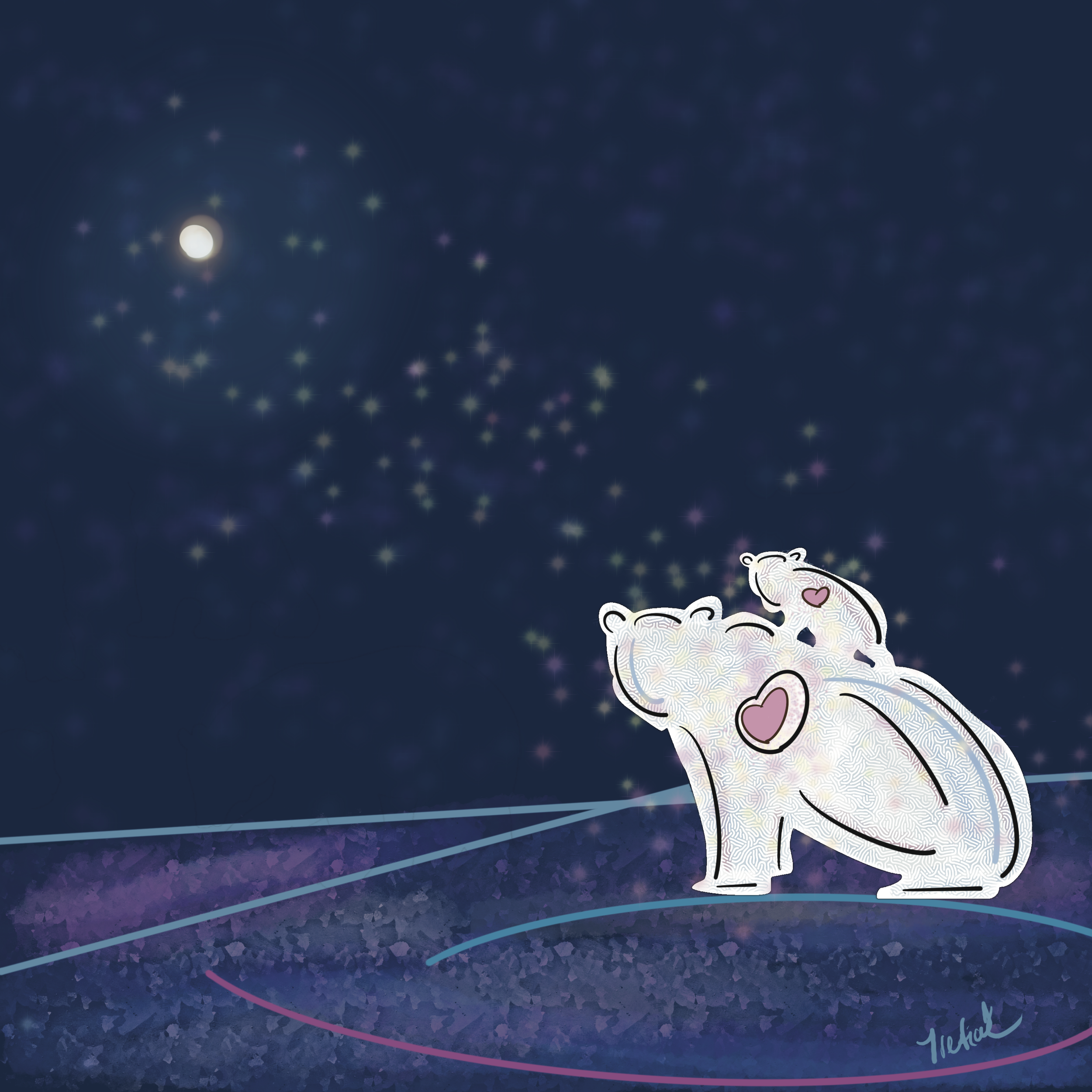
Makwa Giizis (Bear Moon)
As we move deeper into winter, February brings us the Bear Moon, or Makwa Giizis. This is the time of year when bear cubs (makoons) are born.
In Anishinaabe teachings, we have always mirrored ourselves in Makwa's yearly pattern of hibernation, isolation, and emerging with new life as soon as the winter ends.
This moon calls us to draw on inner reserves of courage, patience, and wisdom, just as the bear does in its winter den.
The Wisdom of the Bear Moon
The bear is a powerful symbol in Anishinaabe culture, representing protection, healing, and strength. This moon is a time to reflect on the seeds of growth we planted during the Spirit Moon and to nurture them in the stillness of winter.
The Bear Moon teaches us that growth doesn’t always happen in the open; sometimes, the most profound changes occur in the quiet moments when we’re least aware of them.
Ways to Celebrate the Bear Moon:
Here are some meaningful ways to honor this moon’s energy and wisdom:
Practice Grounding Rituals: Take time for grounding practices like yoga, meditation, or observing the way fresh snow sits upon a tree. These moments of stillness help you center yourself and connect with the earth’s quiet strength.
Honour the Bear: Learn about the bear’s role in the ecosystem or its cultural significance. Reflect on its traits of resilience, protection, and healing, and consider how these apply to your life.
Cook Comfort Food: Prepare a hearty, nourishing meal using winter ingredients, reflecting the warmth and sustenance we seek during this time of year.
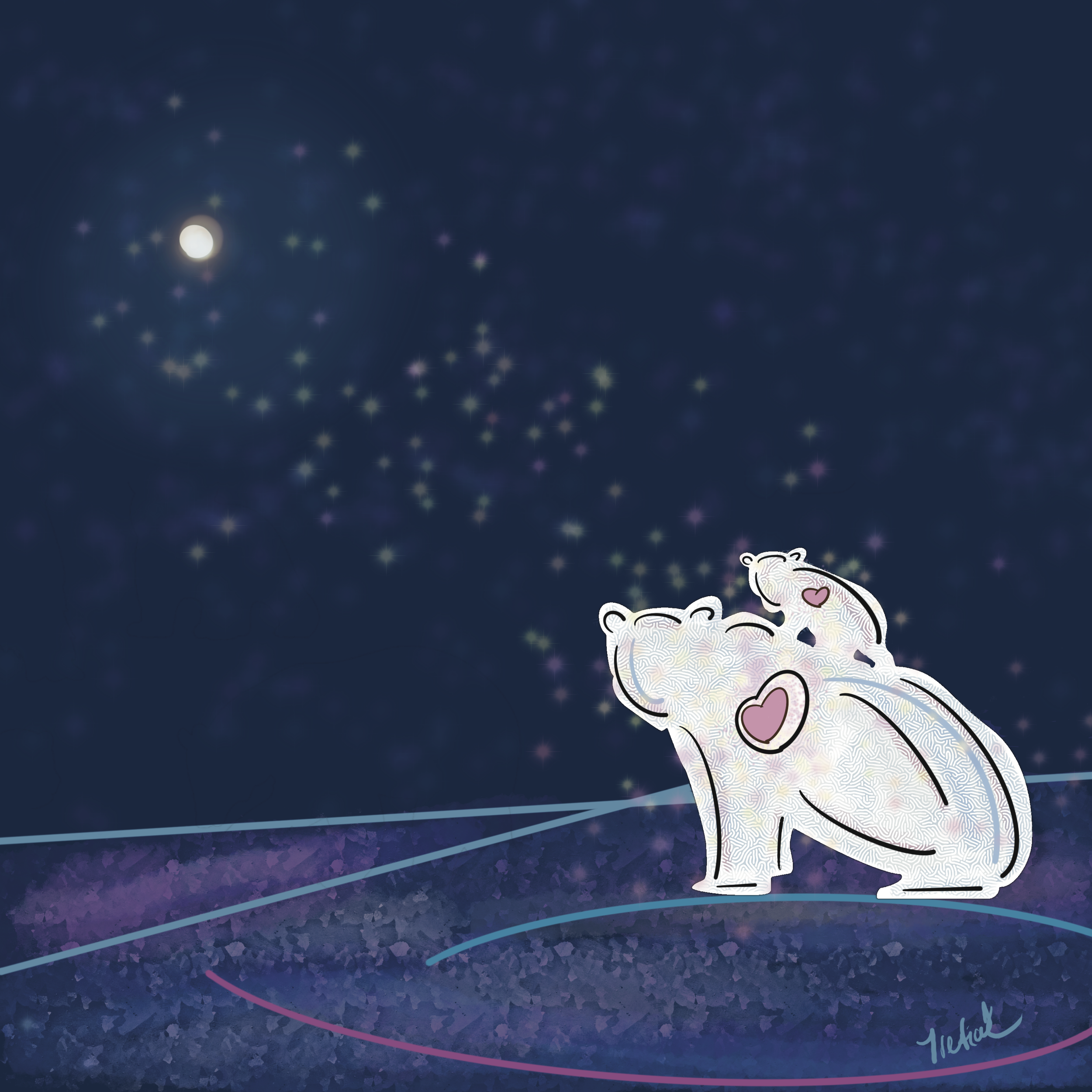
As the Bear Moon shines overhead, let it remind you of your inner strength and capacity for growth, even in life’s quieter seasons. May its lessons guide you through February with a renewed sense of balance and purpose.
Miigwech (thank you),
Jennifer ♥
P.S. How does the Bear Moon’s message resonate with you? I’d love to hear your reflections - feel free to reply and share your thoughts.
(This content was previously shared in my February 2025 newsletter. If you enjoy it please subscribe, miigwech)
Spirit Moon: The first moon of the year
Tonight marks the arrival of the Spirit Moon, or Manidoo Giizis, a sacred time in the Anishinaabe calendar that offers an invitation to reflect, renew, and reconnect. As the first moon of the year, it guides us to listen deeply to the quiet wisdom of winter and honor the spirit within ourselves and the natural world.
What Does the Spirit Moon Represent?
The Spirit Moon is a time for purification and self-discovery. In Anishinaabe teachings, this moon encourages us to slow down and connect with the spiritual energy that sustains all life. It’s a time to honor the cycles of nature and the unseen forces that guide us.
Under the Spirit Moon’s light, we are reminded to reflect on the intentions we carry into the year and seek balance in our lives. Winter’s stillness becomes an ally, allowing us to hear what we might otherwise miss. As nature slows, so do we.
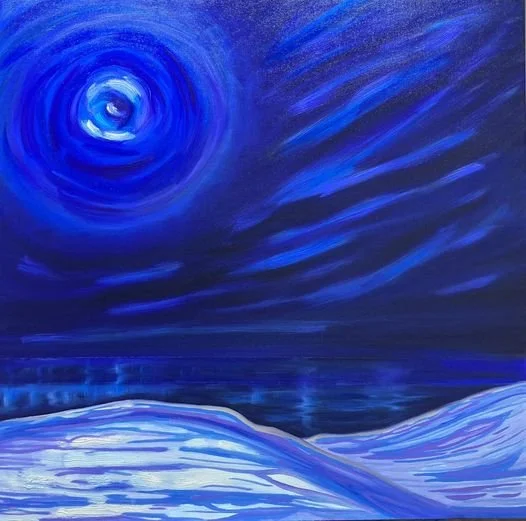
“Love is the Voice Under All Silences” oil on canvas
Ways to Celebrate the Spirit Moon:
Here are some gentle and meaningful ways that you can use to honor this special time:
Reflect by Candlelight: Spend time journaling or meditating in a candlelit room. Let the flicker of the flame symbolize the Spirit Moon's light guiding your thoughts. I prefer beeswax candles as they connect us to earth’s creatures.
Walk in Silence: Take a mindful walk outdoors, allowing yourself to observe and appreciate winter’s quiet beauty. Listen for the soft whispers of the world around you.
Offer Gratitude: Share a small gesture of thanks to Mother Earth, in whichever way you prefer. I place traditional sacred medicines like Nokomis Giizhik (Grandmother Cedar) or Asemaa (Sacred Tobacco) in the snow. This act will connect you to the land and the Spirit Moon’s energy.
Create or Contemplate: Use this time to work on creative projects or simply admire art that resonates with your soul. Creativity is a powerful way to express and explore the connection between spirit and self.
As we gather under the Spirit Moon tonight, I hope these reflections bring a sense of peace and inspiration to your evening. Thank you for allowing me to share a piece of Anishinaabe culture with you—it means the world to me.
(This content was previously shared in my January 2025 newsletter along with images. If you enjoy it please subscribe, miigwech)
Call for Poetry Submissions
A Poem of One’s Own: The Voice of Women in Poetry
Presented by POETCHRY: Picnic on Poetry, table curated by Jennifer Trefiak
I am delighted to take on the role as curator for the 2026 POETCHRY table A POEM OF ONE’S OWN: The Voice of Women in Poetry. This curation seeks to highlight the experiences, diversity, and depth of women’s perspectives - through the shared experience of poetry in community.
Submission Guidelines
Eligibility: Open to women poets of all backgrounds and experience levels from Northumberland County.
Length: Poems must not exceed 30 lines - including line breaks, line between title and poem, and line between poem and your name.
Format: By email - using WORD, in a clear, readable font.
Information to Include:
Title of poem, poem, your name
Community or place of residence
Short bio (maximum 100 words) - to be made public upon selection
Website or URL of choice - to be made public upon selection
Important Dates
Submission Deadline: January 5, 2026 Extended to January 9, 2025!
Notification of Selection: January 12, 2026 (approximate), notified by email
Unveiling Date: April 24, 2026 in Cobourg, ON
How to Submit
Send submissions via email to trefiak.art@gmail(dot com) with the subject line “A POEM OF ONE’S OWN – [Your Name]”. Attach poetry submission as a single Word document. Name the document as <firstname_lastname_ title>. Attach additional info to the same email similarly <firstname_lastname_bio>.
About the Event
A POEM OF ONE’S OWN is part of POETCHRY: Picnic on Poetry, a gathering that celebrates poetry as a communal and transformative art form. Diversity of voice. Diversity of genre. Diversity of imagination. Diversity without restriction or textclusion. www.poetchry.com
Baamaapii (See You Again)
Earlier this year I had the absolute privilege of having my poem selected for Picnic On Poetry in “Canada’s Poemtown” - Cobourg, Ontario. As you all know, I’m a huge supporter of art in public spaces and try to participate when I’m able.
This endeavor was made possible from POETCHRY - a non-profit organization dedicated to utilizing laser technology to etch the poetic arts onto assorted surfaces in the public domain. This includes municipal picnic tables that grace our parks. The tables can be found in Victoria Park by the beach in Cobourg. Grab a friend and a coffee and read these wonderful words from poets around Northumberland and Canada.
My poem was included on ‘A POEM OF ONE’S OWN, The Voice of Women in Poetry, which was curated by Kate Hoogendam (MERKAT). This table bears nine outstanding poems composed by women regionally.’ You need to read all of these poems as they are sublime. Especially MERKAT’s poem - she had me sobbing in public.
This was a meaningful project for me. If you follow my newsletter you’ll know that I regularly share some of my Anishinaabe culture with you. Did you know that we don’t have a word for ‘good-bye’? We say Baamaapii which means, see you again or see you later—because we believe that there is no finality in relationships. When we discuss our departed we say their name with ‘baa’ attached and I find this beautiful in our language. It’s an elegant way of saying that person is now in the Spirit World, which for the newly grieved, saves a lot of anguish and awkwardness. We also don’t want to call Spirit back to this world so adding the ‘baa’ leaves them in peace (for example, my sister would be referred to as Tiffany-Baa).
And so, I wanted to write a poem for all of my people that are no longer in this world, and to honour the relationships I have with them. And also to honour the family I have remaining. We always, always, always say I love you when we leave each other’s company. Always. It is the last words we say and hear.
This poem is also special as it’s the first time I’ve published under my Traditional, or Spirit name. It felt right and I will continue to use my Spirit name, Yellow Butterfly Woman, in the art sphere. You may notice from my online posts that I spell butterfly two different ways memengwe/memengwaa. Both are correct in Anishinaabemowin as there are many regional spellings and pronunciations. Going forth, I will spell it as memengwaa which seems to be more common in my Ojibwe culture and was the way it was given to me by our Traditional Healer. I’m not a language speaker but I’m learning.
One side note: There was an issue with the typesetting on my poem which you can read about here from the always eloquent and genuine, MERKAT (Katie Hoogendam). These things happen and I have absolutely no ill feelings about it - I’m truly honoured to be included amongst these brilliant authors’. I would like to thank the entire POETCHRY team for their heartfelt apologies, solutions and for the massive undertaking this project would have been.
With that said, I hope you enjoy my poem.

Chi-miigwech to MERKAT for creating this visual image of my poem.
I have a beautiful new website!
No one ever said on their deathbed, 'Gee, I wish I had spent more time alone with my computer'.
Danielle Berry
Ahhhhhh y’all! I have been holed up for weeks editing, designing, programming and stressing about my new website.
Why? Here’s the quick version - my old platform was bought out by a Big Corp and as a result they wanted all their users gone so they can absorb the platform and essentially eliminate it. Basically, they kept raising the prices to the point where I didn’t have a choice but to say Buh-Bye. I knew it was coming but still - a month is short time for a programmer, let alone an artist, to rebuild their site. But I DID IT!!!! Thank-you Square Space for having such an easy to use product.
Listen friends, I deleted C records. I added SEO. I made my own 301 and 404’s. I’m sure I’ve missed a TON of things but it seems to be working ok. And if you find something that doesn’t please let know.
I’ve also rediscovered a few blog post gems like this one: What Do Artists Do All Day. (Can you believe someone said that to me? If that happened now I would murder, I swear. I haven’t picked up a paintbrush or beadwork in weeks.)
After manually copying and pasting each old blog post (oh yes I did) I realized I wouldn’t have time to add all the photos. I’ll work on that in the next little while.
Now - onto making ART!
So, what do you think of the new site? Let me know in the comments!
♥Jennifer
How It Began
My house was small so I brought my easel outside onto the deck and painted there.
“The only true limitation is the one you set for yourself.” – Unknown
One question I'm often asked is 'How long have you been doing this?' and I never know how to answer that. I've been doing this since I was a child. But not like this, not exactly. So that's not the answer I usually give because I know the asker wants to know about my art now. But in all honesty, I have been making art and music since I was a tot and I have referenced my box of Crayola crayons in interviews many times because it was such a treasure to me. As for the real answer? Well, here it is:
After I dropped out of post secondary for music performance I moved back in with my parents on Rice Lake in Alderville. Once I was able to land a job and pay my own bills I rented a little house from the Band Council. That house is still there but it looks nothing like it did back then. Back then it was in the boonies surrounded by sumac. It was dark. There was no green mile. Anyone driving that way was either on their way home or on their way To Town. I drove it often at night, on my way home from my job, and most times I was the only car on the road.
I was still making music and in fact was playing more than ever and earning some money from it. But as rewarding as it is to perform it's also very stressful. I needed something to do for relaxation. This was when I mused to my Mom, who was still alive then, that maybe I should buy some paints. She immediately encouraged me to do so. You see, I had taken art classes all through high school in addition to my music classes. I wasn't a naturally gifted artist like some of my friends but I loved it. I loved the history, the architecture, and learning new techniques.
My very first "real" painting was of a yellow finch on masonite panel done in acrylic paint. I was proud of that painting and so I gave it to my Mom for Christmas that year as a teen. I continued to paint and although I never received stellar grades I took those classes because I really enjoyed them. As high school came to an end so did my painting. Not for any reason other than I was making music for hours a day and that's where my focus was.

Make it stand out
So, after college and moving back home, with my Mom's encouragement, I drove off to Curry's art store and bought my supplies. My house was small so I brought my easel outside onto the deck and painted there. The photo above is from that time.
I didn't know what to paint but I was living on the Rez and decided to try a quasi-Woodlands style as a way to begin. Pushing and blending that paint felt SO GOOD. It was meditative and internal. Like music, I could make something from nothing but there was absolutely no pressure involved. It was just for me. Eventually, family members handcrafted a giant easel for me (which I still have today) so that I could paint in the unfinished basement of my house all year long. As I continued painting I made the decision to stop imitating and begin to find my own style of mark making. If I was going to do this for me then it needed to come from me.
I never intended to sell my art. I never intended to have this as my profession. I fully intended to return to post secondary to pursue academia rather than the arts (something I still regret to this day). Life got in the way of that. I was diagnosed with an autoimmune condition during surgery and had years of illness; my cherished mother died suddenly, and I was in an abusive relationship. Let's face it, life happens and changes our course. That's ok because Creator had a plan for me that I wasn't aware of.
I kept painting for myself, for fun, for me. It got me through a terrible divorce, losing a child, and helped me find myself again. Somewhere along the way people asked to buy my paintings. So I began doing church basement art shows and farmer's markets then moved to outdoor art fairs, indoor art events, art galleries, magazines and podcasts. I'm not going to brag or list my accomplishments in this post because one of the 7 Grandfather Teachings is Dbaadendiziwin (humility). But I am proud of how I've grown as a self taught artist and I know there is much more to come. I feel like I'm just getting started - again.
I give you heartfelt thanks if you have stayed with me to the end of this rather long post.
Love, Grief and Everything in Between
To live in this world
you must be able
to do three things:
to love what is mortal;
to hold it
against your bones knowing
your own life depends on it;
and, when the time comes to let it go,
to let it go.
-Mary Oliver 'In Blackwater Woods'
2022.
Not a year I'd like to repeat.
It began extremely well with strong art sales and commissioned paintings. I was excitedly planning my next Thing, as I normally do in early winter. Most of my year is planned out by that time with some wiggle room for spontaneous projects. Then the news came sometime in the spring that my Dad was sick. A week later we learned it was terminal. Everything happened so suddenly that it was hard to adjust and I was a wreck. I finished up the art work I needed to complete and then cleared my calendar as much as possible. My family and I came up with plans for medical treatment, transportation to the hospital out of area, aids to help his quality of life, nursing and care team, end of life discussions. I booked camping nearby his house, as a sort of hotel room so that I could be there to help out.
I wasn't able to do enough. I wanted to do so much more.
The thing about grief is that it allows you to talk about love. Every visit, every phone call, every text, we spoke about the little things. Things like, the cardinals and the deer that I saw on my walks outside when Dad couldn't leave his bed anymore. Things like updates on his grandchildren, what we ate for dinner, how nice the weather was.
We also talked about the big things. What he wanted to do when it was time to die. How to celebrate and to honour him after death. That the Spirit World is beautiful and Mom was waiting for him there. Always, always we ended each talk with I Love You.
Not long after the Apple Route Studio Tour and just a few weeks after I seriously injured my ankle, Dad left this world. Expected and yet sudden after having returned to the land he loved in Alderville. I had a feeling he was waiting to be back home before leaving us. And that's what happened.
Here's what I learned from going through this (which was much different than how my mother died). It's the 'in between' that is the heart of life. Those insignificant every day moments are what bonds us. Sure, the big things are important and memorable too, but there's magic in the every day. Those are the stories. Those are the moments you giggle about years later. Those are the moments filled with the most love.
And so, my dear friends, I hope you have some grace for me and understand why I was inconsistent with my art updates last year. My soul's priority was to love, grieve, and everything in between.
Celebrating Resilience
moving into a period of regrowth and beauty
This blog post was originally published by the Northumberland Festival Of The Arts in 2021 and consecutively published in 2022 by Devour: Art & Lit Canada, issue 013.
Merriam-Webster defines resilience as a noun that means: “the ability to become strong, healthy, or successful again after something bad happens.”
That’s pretty heavy because the events that lead us to become resilient are not insignificant; these are life altering events such as death, job loss, discrimination, illness, abuse, and trauma. What’s interesting to me about resilience is that you don’t know if you are resilient until you’ve come through to the other side; it is a test of your endurance as a human being and a test of your spirit. Becoming resilient is a painful experience.
Just as you don’t know if you’re resilient until you’ve made it to the other side of adversity, you cannot celebrate resilience until you have healed from those moments that tested you. Some moments can never be celebrated at all, it’s enough to make it through alive.
For some of us, the past two years have been a blessing, and for others, it’s been a time of struggle. For the arts sector it has been both.
The arts became a shining light for the world to grasp onto during the frightening beginning of the pandemic when so much was unknown. We felt alone and so we attended virtual concerts, online art openings, and play readings. As artists we had endless time to create and to explore our inner worlds. The arts brought all of us solace and joy when we needed it the most.
The other side to that is that many artists have felt the financial and spiritual burden of the past two years. Those venues that we require to make music, display art, and read poetry have not been available until very recently. We too, have had to adjust ourselves to the virtual world, and for some artists and arts groups that has been difficult or impossible.
As for the spiritual burden, if you do not have an audience you do not have art. If your book isn’t being read, your song is not performed and your artwork not seen, then does the art really exist? Art exists only in relationship to the audience receiving it. At least, that’s what I believe. When we bring art to people there is an energy and a connection which emerges that simply doesn’t exist on a screen.
Slowly, we are gathering the pieces of ourselves and coming together. As we begin to move into public spaces once more, I dearly hope that the individuals who took pleasure and comfort in the arts from their living room couch will support us in person. I also hope that we as artists and arts institutions continue to make our work accessible to everyone.
Which brings me back to the topic at hand, resilience. When I find myself looking for answers I always look to Mother Earth. She speaks if you listen, and resilience is her middle name. When a forest burns there is a period of regeneration afterwards. In fact, many plant species require a fire in order to propagate and thrive. It’s a natural cycle of life and one which Indigenous cultures know well. A prescribed burn prevents widespread and destructive fires with a carefully curated one. Destruction creates resilience, regrowth, and beauty.
I believe that we as an arts community will move into a period of regrowth and beauty, like after a forest fire. Where resilience factors in is in how we move forward. Do we do the same as we’ve always done? Or do we take these teachings from this time period to enhance the experience of our shared love of all things beautiful and compelling? Once you burn you can’t forget. Those seedlings of creativity, so freely shared during the pandemic and carefully tended by those desiring them, will not forget their roots. Those lessons will structure our collective resilience and regrowth. They will guide us into the next phase of art creation and appreciation. Then, we can celebrate.
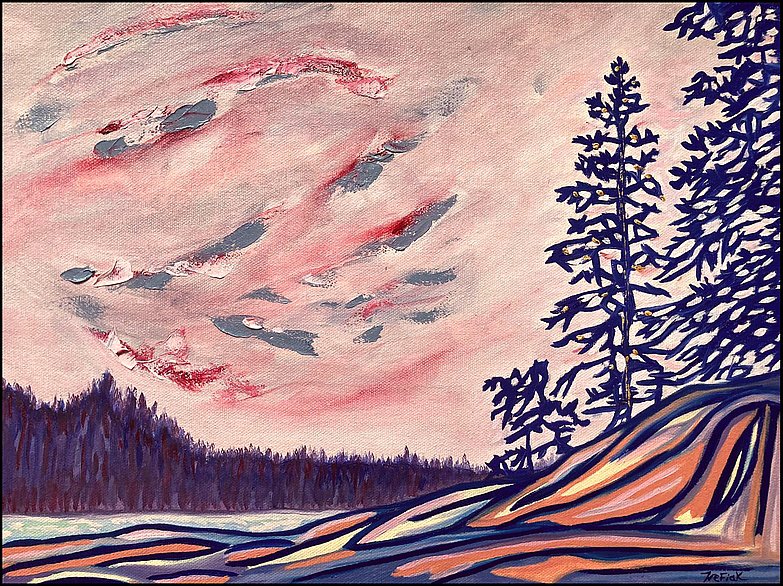
Together In Solitude, oil on canvas
AGN Spotlight Series 3 is here!
The Art Gallery of Northumberland mini doc
Hello Friends,
I'm so excited to share the AGN Spotlight Series 3 with you. I encourage you to view them all but if you're short on time my mini doc begins at time mark 15:56.
Please let me know if you enjoyed it! If you have any questions drop them in the comments or send via email and I'll put together a Q&A (anonymously) in my next blog post.
Thank-you for sharing in my excitement, my process, and my art work.
Please be my guest
The AGN Spotlight Series 3 full version premiere will be held on August 27, 2021 at 7pm at the Port Event Space in Port Hope, Ontario, Canada.
The musicians will each perform and the visual artists will have their art on display. It's the arts event of the year and I'm so excited to chat with everyone, I'll see you there!
Interview with David Newland
Hello dear Collectors!
I recently did a radio interview on Northumberland 89.7 with David Newland where we discuss the AGN Spotlight Series 3, my Alderville First Nations heritage, the Canadian "Residential School" discoveries and awareness, and how art can influence and impact society.
This conversation was spontaneous, unscripted and unedited. David's questions were sensitive and thought-provoking and I'm grateful for his skill in being able to bring out the best in me and allowing me to share what I am all about.
I hope you enjoy it, please let me know what you think in the comments!
AGN Spotlight Series 3
art and community
If you do not express your own original ideas, if you do not listen to your own being, you will have betrayed yourself. Also, you will have betrayed your community in failing to make your contribution.
— Rollo May (The Courage to Create)
I need to start this post with a huge chi-miigwech to my community for supporting my artistic career. In some ways it is easy to be an artist - be yourself, make things, repeat. In other ways it can be a real struggle - the admin work, financially supporting your art making, pandemic lockdowns....
I am filled with gratitude for having been approached by The Art Gallery Of Northumberland to be a part of their Spotlight Series 3 - an annual arts education fundraiser known for shining the spotlight on artists from across Northumberland County. This opportunity came to me when I was at a low point spiritually. I was missing my friends and family, all cultural events were on hold, my studio and gallery had to be closed to visitors, and I was beginning to wonder whether my art made a difference to anyone other than me. But, I had begun my new series on community and was excited with how the concept was developing. Interestingly enough, it was at this point that the AGN approached me with their community project. Funny how synchronicity works.
Since that time I have filmed my mini-doc, given radio interviews and news interviews. If you know me, you'll know that I prefer to listen rather than speak. This experience has been WAY outside my comfort zone. But, I also know that if you don't do things that scare you then you are not growing as a person.
The AGN Spotlight Series 3 has given me the opportunity to tell my community about myself and my heritage, how my landscape art speaks to topics and issues I care about, and I've come to learn that it also means something to all of you. That is why I do what I do and am who I am.
A friend of mine, who recently passed away, David Tanner, once told me that to have a talent or a gift and to choose not to share that with the world was to fail both yourself and your community. I feel my included quote above explains what he said to me perfectly.
And so, I make art and share it. Whether it's good or bad (I never profit from anything I'm not happy with). Whether it's in progress or completed. Whether for sale or not. That is my small contribution to my community. And my community decided to recognize my work and share it to a broader audience. I am humbled and honoured to have been chosen, along with five other outstanding artists Kate Boothman, Cale Crowe, Oli Goldsmith, Kate Hessin, and Ian Jack.
I do hope you will come together with me as my community to view these mini-docs. The Northumberland County artistic community has shared so much over the course of the pandemic and has also taken a huge hit. Your love of the arts makes our tiny piece of Turtle Island a vibrant, caring, thriving, compassionate place that I'm proud to call home.