Falling Leaves Moon
**This content was previously shared in my October 2025 newsletter. If you find it meaningful, please consider subscribing.
Bnaakwii Giizis - the Falling Leaves Moon
Tonight at 11:48 pm under Bnaakwii Giizis - the Falling Leaves Moon, the land prepares for rest. The leaves release their hold, spiralling to the ground like quiet prayers. In Anishinaabe teachings, this is a time to acknowledge balance - to honour both what we’ve gathered and what we must let go of.
If you’ve been reading my full moon newsletters since January you will have realized long ago that in my culture we live as nature does and we take our life lessons and cues from her.
I sit and write this on a hot and humid day that doesn’t feel anything like autumn.
But, the light is different.
The sun is not scorching on the skin.
The leaves are changing and falling.
Nature is preparing for rest and that is what many humans do too. We make our jams and jellies and prepare our homes for the cold. For humans it’s a time to reflect on what to keep in our lives and what to let go of that no longer serves us.
“The trees are about to show us something we’ve known all along — resilience is beautiful.” - Unknown
Ways to connect to the Falling Leaves Moon
Notice the leaves:
As your feet crunch on a forest walk, take the time to notice all of the life that the leaves support. From fungi to insects to soil bacteria, these leaves that were once a part of the tree are now supporting other life by becoming food for it. It’s a quiet lesson in resilience and reciprocity.
Visit the water:
Did you know that water changes structure based on what messages it receives? Speak kindly to her and to yourself since we are mostly made of water. In my culture water is sacred and alive and the women sing songs to her. When you visit the water you can whisper messages of gratitude and offer a fallen leaf or sprig of cedar as thanks.
Curl up with a book:
For this moon I suggest the book ‘The Serviceberry: Abundance and Reciprocity in the Natural World’ by Robin Wall Kimmerer.
The Falling Leaves Moon reminds us that release is not loss - it is an act of trust. In letting go, we make room for what will come next.
Miigwech (thank-you),
Jennifer
Ricing Moon
**This content was previously shared in my August 2025 newsletter. If you find it meaningful, please consider subscribing.
Manoominii Giizis - The Ricing Moon
Tomorrow we welcome Manoominii Giizis, the Ricing Moon — a time that honours the seasonal harvesting of manoomin, or wild rice. This moon marks a period of gratitude, hard work, and connection to the waters that sustain us.
For the Anishinaabeg, this is more than just a harvest — it is the fulfilment of a prophecy. Our ancestors were told to journey west until they reached the place where food grows on water. That food is manoomin.
About Manoomin – Wild Rice
Manoomin is a sacred plant that grows in shallow lakes and rivers. It is not truly rice, but a wild aquatic grain that:
-Nourishes our bodies as it’s rich in protein, fibre, and minerals.
-Supports the ecosystem by filtering water and creating habitat for fish and birds.
-Carries spirit and story: harvested by hand from canoe, it is a gift that connects us to land, ancestors, and ceremony.
For many First Nations (including mine) across the Great Lakes region, manoomin is not only food — it is identity, sovereignty, and relationship.
A personal story:
Last summer I had the pleasure of learning about the ricing process from our Firekeeper, who, along with my cousin and others in the community are Alderville’s rice bed caretakers. Unfortunately, the rice in Rice Lake is no longer plentiful, however, we do have smaller alternative rice beds in other locations throughout Northumberland and Quinte. Our visitor’s to PowWow that came out afterwards to our community feast were treated to traditional food and one of them was manoomin.
Words from Chief Taynar Simpson, Alderville First Nation
Chief Taynar Simpson of Alderville First Nation continues to be a strong voice for the land and waters we rely on and was just re-elected as our Chief. He recently brought international attention to Rice Lake and the Ganaraska River, advocating for their legal personhood as living entities deserving protection:
“This is an existential threat to our very existence as Indigenous people. This is our food, this is our water, this is our culture, and it is being threatened by overuse and neglect.”
— Chief Taynar Simpson, Alderville First Nation
His words are a powerful reminder that caring for manoomin means caring for the waters, the earth, and all those who rely on them.
Under the light of this Ricing Moon
As this moon rises, we may honour her teachings of reciprocity and gratitude by:
Reflecting on the waters in our own lives and how we care for them:
I highly recommend the book “Is a River Alive?” by author Robert Macfarlane. I promise you, it’s interesting and engaging.Support Indigenous efforts to protect sacred food systems like manoomin:
You can listen to Chief Simpson’s speak of the rights of nature in a past episode of Conversations Towards Reconciliation which is a regular podcast on Consider This.Learn about manoomin:
This is a short video about wild rice and its importance to Traditional Ecological Knowledge and as the hearbeat of our culture.
Whether you sit beside a quiet lake, prepare a dish of wild rice, or simply watch the moon rise — let this time be one of reconnection and reflection on nature and our place within it.
Miigwech (thank-you) for being here,
Jennifer
Berry Moon
**This content was previously shared in my July 2025 newsletter. If you find it meaningful, please consider subscribing.
Miin Giizis - the Berry Moon
Today we welcome Miin Giizis, the Berry Moon - a time when the wild berries ripen, and we are reminded of the abundance and beauty that Mother Earth offers.
For many Anishinaabeg, berries are sacred, and this season especially honours the raspberry, which grows in thickets, protected by thorns.
This moon teaches us about resilience, protection, and the strength that can grow from softness. The raspberry is both food and a plant medicine. It is associated with healing - a reminder to care for ourselves and others with patience and love. Miin Giizis teaches gentleness and kindness and the wisdom to pass through life’s thorns.
Slow down and truly taste the season
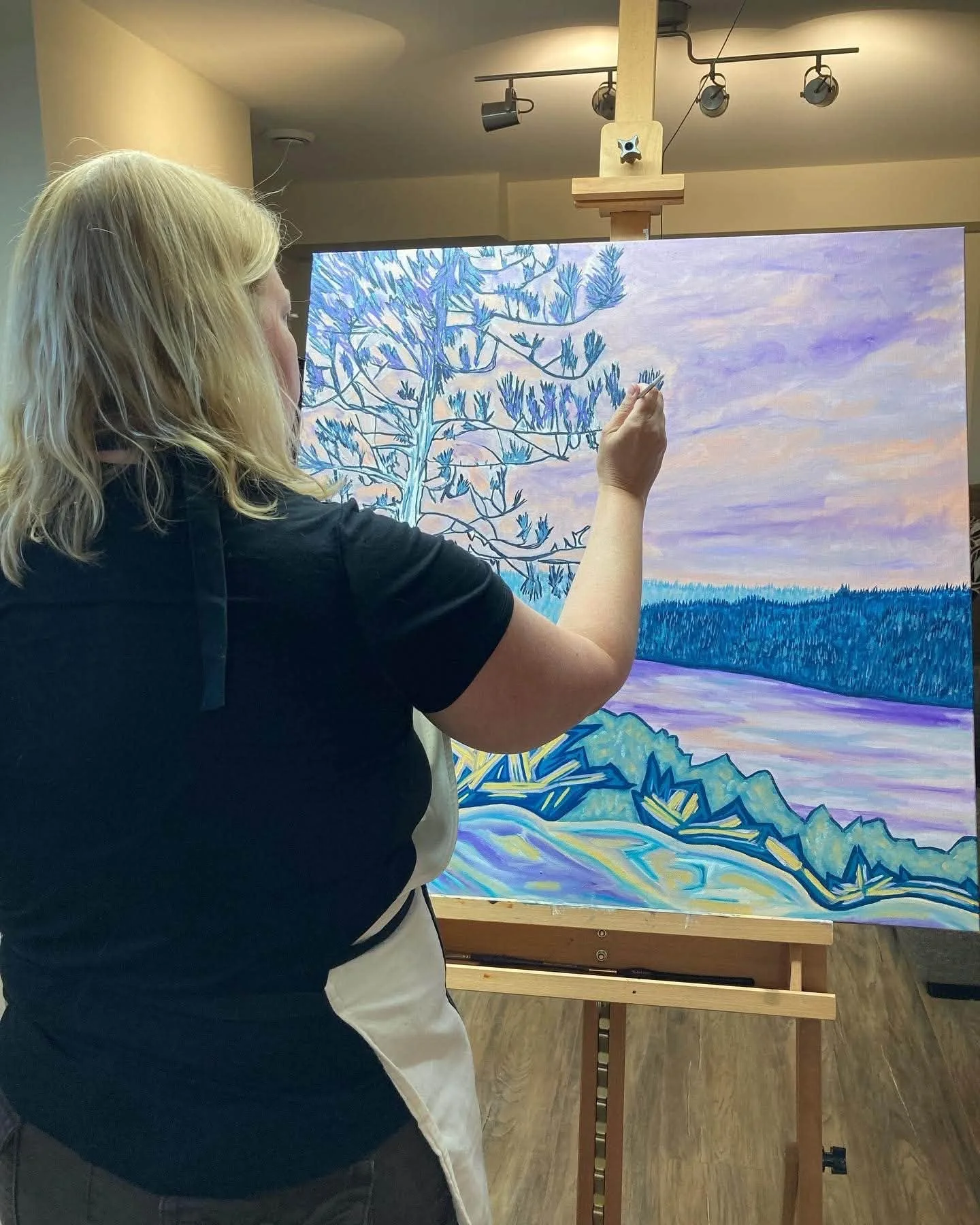
As an artist, this moon reminds me to slow down and truly taste the season - to notice the colours deepening, the sun hanging longer, and the small gifts that arrive quietly, like berries along the forest path. And, as you know, it’s a time where I pack my paints for camping - to capture nature’s messages.
In this moon’s spirit of gathering and celebration, I invite you to join us at the Alderville First Nation Powwow which is held every second weekend of July. All are welcome!
Pow Wow is a time of celebration & community
Powwow is a time to gather, dance, sing, and honour the resilience and beauty of Indigenous cultures. It's a living celebration - full of heartbeat drums, bright regalia, and shared stories.
If you’ve never been to a Powwow before you can search for Powwow etiquette online or respond to this post and I’ll help you out if I can (I’m busy finishing my regalia). If you see me there please say hello, or, aaniin!
May you find time to remember the sweetness in life amongst the thorns.
Miigwech,
Jennifer
P.S. The raspberry is my 96 yr old Nana’s favourite berry and I remember picking them from the rows she had growing behind her house when I was a child. Honestly, I ate more than I picked. She would smile at me indulgently as I handed her a few and then a week later deliver a homemade raspberry pie to our house. We still enjoy raspberries together today.
Strawberry Moon
*This blog was previously published June 11, 2025 in my 13 Moons Newsletter. If you enjoy this post please consider subscribing
Tonight, we welcome the Strawberry Moon - Ode’min Giizis in the Anishinaabe calendar. Also known as the “Heart Berry Moon,” this full moon brings teachings of love, emotional healing, and renewal.
Strawberries (ode’minaan) are the first berries to ripen in early summer. In Anishinaabemowin, the breakdown of the word ‘ode’ means heart and ‘min’ means berry. When you cut a strawberry and open it, it looks like a heart.
What the Strawberry Moon Teaches Us
In my Anishinaabe culture, they are known as heart berries. They are sacred medicine that reminds us to live with balance, forgiveness, and peace in our relationships. They mark a time of abundance and celebration as a community. During this moon, we turn our focus to growing strong relationships and supporting one another in all that we do.
The strawberry is the only fruit with its seeds on the surface to remind us that we, as humans, are the seeds of Mother Earth as we walk upon her. The strawberry symbolically represents Mother Earth, as a part of our ‘original instructions’ to honour our sacred food as a reminder of the connection between Sacred Earth and Sacred Self.
“Full moon bright, sweet fruit in sight.”
- Anonymous.
A Personal Note from Me 🍓
This moon is especially meaningful to me - it typically rises in my birth month, and that connection to the heart berry has become very meaningful to my life. It’s why I chose the strawberry as a central part of my Powwow regalia.
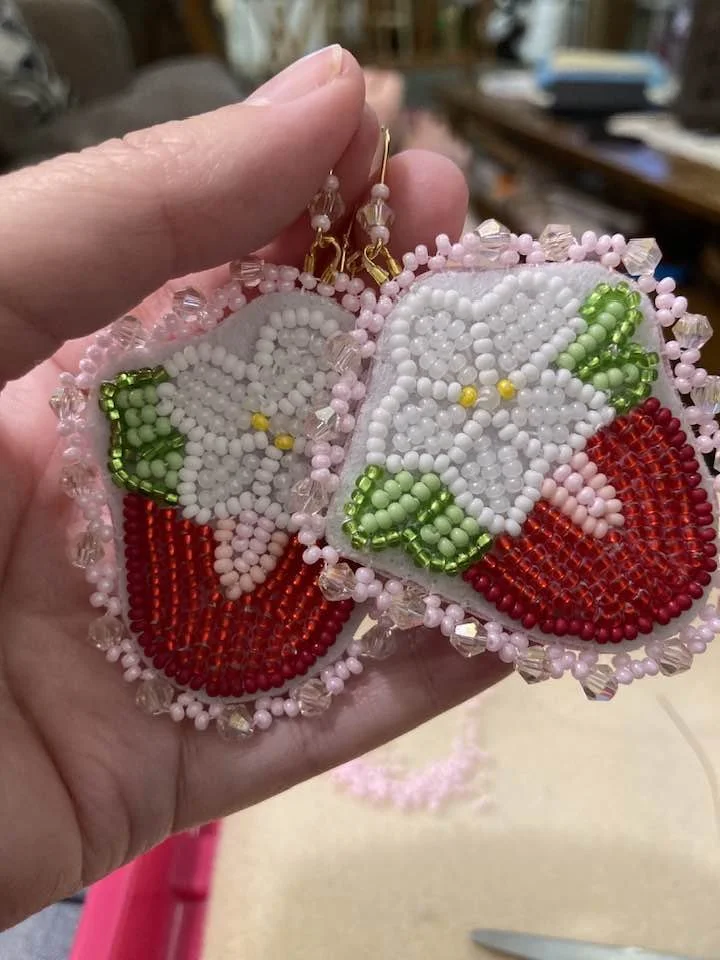
My beaded ode’min earrings hold deep personal significance. They’re a quiet reminder of where I come from, and how love, ceremony, and story live in the things we carry and create.
Ways to Celebrate the Strawberry Moon:
🍓 Share strawberries: eat them fresh and with intention, as our ancestors did.
🍓 Sing with me : learn to sing a song ‘Ode’min Giizis’ in Anishinaabemowin
🍓 Spend time with community - this moon is a time for kindness, love, and sharing
The Ode’min Giizis (Strawberry Moon) reminds us that the heart is wise, tender, and powerful. May this moon bring you together with sweetness and softness - and the strength to move forward with a strong heart.
Miigwech for walking this moon cycle with me.
With heart,
Jennifer
P.S. I’d love to hear how you’re honouring this moon. Do you have a favourite strawberry memory or a quiet ritual of your own? I always enjoy reading your reflections.
Blooming Moon
*This blog was previously published May 12, 2025 in my 13 Moons Newsletter. If you enjoy this post please consider subscribing
As May unfolds around us, we welcome Waabgonii Giizis - the Blooming Moon.
The land comes alive with wildflowers, buds, and birdsong, and the Earth feels like it's remembering how to sing again.
In Anishinaabe teachings, the Blooming Moon celebrates the Spirit sides of plants as they bloom, offering powerful healing energy. It encourages us to explore our spiritual essence.
What the Blooming Moon Teaches Us
The Blooming Moon is a reminder that our growth does not need to be loud to be meaningful. Quiet transformation is still sacred. Just as the flowers bloom in their own time, we too are invited to open slowly and intentionally.
Traditionally, this moon is a time for plant knowledge to be shared, medicines to begin returning to the forest floor, and families to spend time gathering and connecting after a long winter. It's a beautiful reminder of our place in the web of life — part of the cycle, not separate from it.
“When we live by the seasons, we return to our original instructions — to be in relationship with the Earth and each other.”
— Leanne Betasamosake Simpson (Alderville First Nation)
Ways to Celebrate the Blooming Moon:
🌸 Spend time with flowers and plants: Whether it's in the forest, your garden, or your neighbourhood — greet the blooming ones. Learn their names. Offer thanks.
If you follow me on social media you’ll have seen my recent posts about my adventures foraging for birch and fiddleheads. Blooming Moon is a time that indaanis (my daughter) and I spend out in nature — teaching each other about plant foods and medicines. It’s a sacred time with her that I cherish.
🌸 Create something: Write a poem, sketch a petal, take a photo of a wild bloom — creativity is a form of honouring.
🌸 Share beauty with someone: A kind word, a note, a fresh-picked flower — these small acts ripple outward more than we know.
Suggested reading: Plants Have So Much to Give Us, All We Have to Do Is Ask: Anishinaabe Botanical Teachings by Mary Siisip Geniusz
Suggested nature app: iNaturalist
As the Blooming Moon rises, I invite you to reflect not only on what is blooming in the world around you — but what is blooming within you. This moon reminds us to honour the beauty we carry, the care we offer, and the way we each are part of nature’s traditional ecological knowledge.
Miigwech (thank you) for being here and for sharing in this journey through the moons with me,
♥Jennifer
P.S. Do you have a flower or plant you feel connected to? I’d love to hear what’s blooming where you are — feel free to comment below.

Sugar Moon
This was previously shared in my 13 Moons Newsletter in 2025. If you enjoy this kind of content please subscribe.
Today in April, we enter Ziisbaakdoke Giizis — the Sugar Moon.
This moon carries the spirit of sweetness and renewal. It's the time when maple trees begin to offer their sap, and the Anishinaabe people gather to honour this ancient and generous gift from the land.
The Sugar Moon reminds us of our relationship with the trees — not just as resources, but as living relatives. The sugar maple (ininaatig), is seen as a teacher and provider. When the nights are cold and the days begin to warm, the sap begins to flow — marking one of the first signs that life is returning to the land.
The Meaning of the Sugar Moon
Traditionally, Anishinaabe families would gather at sugar bush camps to harvest and boil sap — a time of both work and joy. Elders passed down stories, children played among the trees, and everyone helped with the sugaring process. It was a communal time that celebrated balance: the return of warmth, the generosity of nature, and the relationships that sustained the people.
This moon teaches us about patience and attentiveness. Making maple syrup takes a very long time. Sap must be carefully gathered, boiled slowly, and tended with care. In this way, Ziisbaakdoke Giizis teaches us to slow down, to savor life, and to honour the quiet labours that lead to sweetness.
Ways to Honor the Sugar Moon:
Visit the Maples:
If you live near maple trees, take a walk amongst them. Or visit your local sugarbush, if there is one in your area.
Make or Taste Something Sweet:
These are some of my favourite ways to enjoy maple syrup: drizzled on manoomin (wild rice) pudding or my homemade yogurt; or added to some cedar tea or to coffee as a special treat.
Reflect on What Nourishes You:
What practices, people, or places help you grow? How can you give back to them this season?
Ziisbaakdoke Giizis reminds us that sweetness doesn’t just arrive — it’s gathered slowly, shared in community, and cherished when it comes. As you move through this moon, may you feel the quiet joy of returning life and the warmth of connection.
Miigwech (thank you) for sharing in the spirit of this moon with me.
♥ Jennifer
P.S. Do you have a memory of maple sugaring — or a springtime ritual that brings you joy? I’d love to hear it.
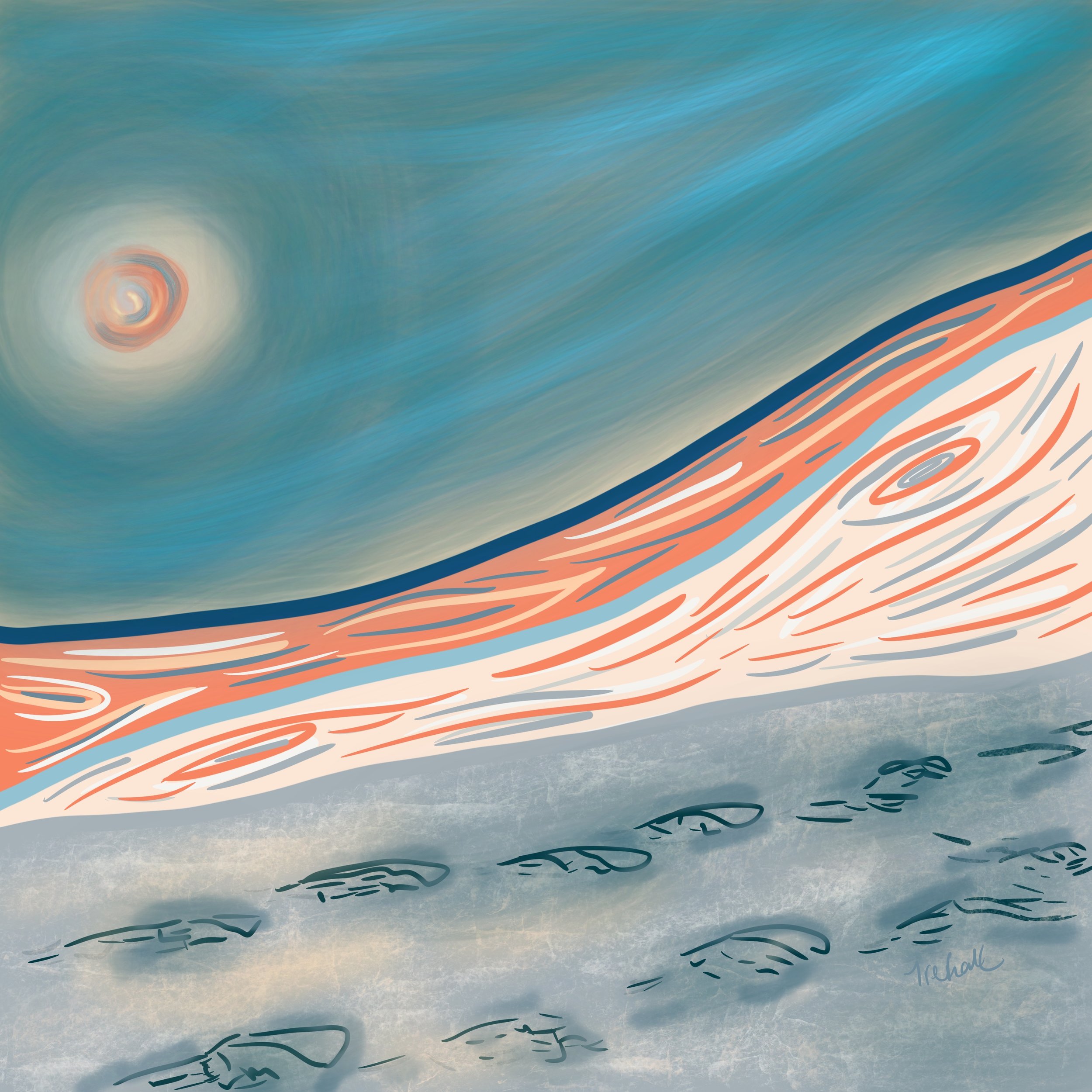
Broken Snowshoe Moon
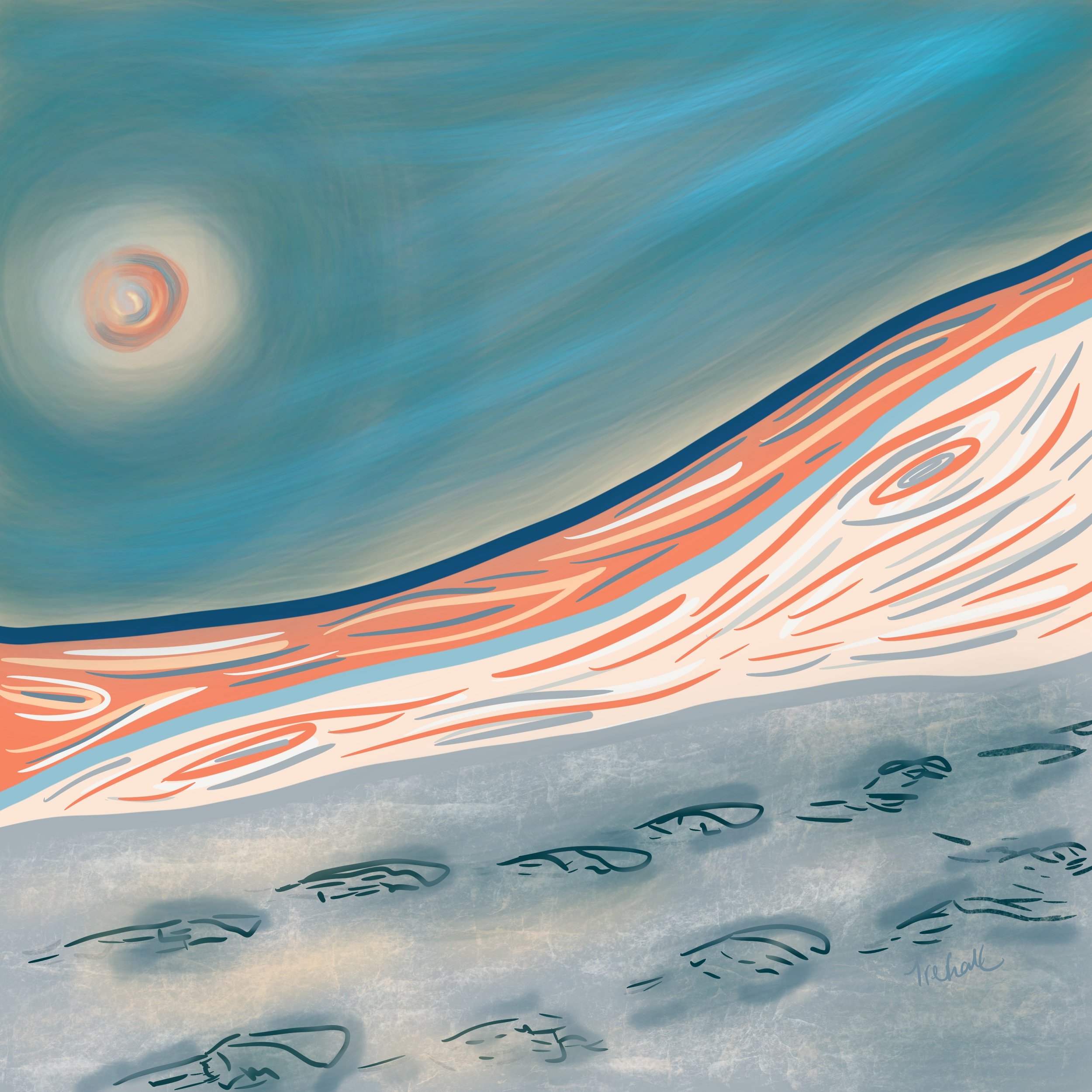
March is a time of shifting landscapes, where the deep snows of winter begin to soften. In Anishinaabe culture, this moon is called Broken Snowshoe Moon, or Boopoogame Giizis.
The Meaning of Broken Snowshoe Moon
This moon’s name comes from a time when the weight of the season begins to press upon us—when old trails become difficult to navigate, and even strong snowshoes may break under the strain. It is a reminder that while the hardest part of the journey may be behind us, persistence is still needed before the arrival of spring.
For the Anishinaabe, this was a time of both challenge and renewal. Food stores could run low and travel remained difficult. Yet, there was also hope, as longer days and shifting weather signaled the land’s slow awakening. The lessons of this moon teach us that even in hardship, there is growth, and even when the path is uncertain, we can find new ways forward.
I am reminded of the words of Richard Wagamese, an Ojibwe author whose writing carries the wisdom of our people:
“We are not meant to be perfect. We are meant to be whole.”
Ways to Honour the Broken Snowshoe Moon:
Embrace Adaptability: If you’re facing unexpected challenges, trust in your ability to adapt. Just as a broken snowshoe can be mended or replaced, setbacks often lead to creative solutions.
Reflect on Your Strength: Think about what has carried you through winter, both physically and emotionally. What lessons have you learned? What resilience have you built?
Create or Restore: This is a powerful time for making repairs, whether it’s mending clothing, restoring something in your home, or even tending to relationships that need care.
The Broken Snowshoe Moon reminds us that we are nearing the end of winter’s long journey. Though the path may not always be smooth, our strength carries us forward. Trust in the process, and know that renewal is on the horizon.
(This was blog previously shared in my 13 Moons Newsletter in March of 2025)

Spirit Moon: The first moon of the year
Tonight marks the arrival of the Spirit Moon, or Manidoo Giizis, a sacred time in the Anishinaabe calendar that offers an invitation to reflect, renew, and reconnect. As the first moon of the year, it guides us to listen deeply to the quiet wisdom of winter and honor the spirit within ourselves and the natural world.
What Does the Spirit Moon Represent?
The Spirit Moon is a time for purification and self-discovery. In Anishinaabe teachings, this moon encourages us to slow down and connect with the spiritual energy that sustains all life. It’s a time to honor the cycles of nature and the unseen forces that guide us.
Under the Spirit Moon’s light, we are reminded to reflect on the intentions we carry into the year and seek balance in our lives. Winter’s stillness becomes an ally, allowing us to hear what we might otherwise miss. As nature slows, so do we.
“Love is the Voice Under All Silences” oil on canvas
Ways to Celebrate the Spirit Moon:
Here are some gentle and meaningful ways that you can use to honor this special time:
Reflect by Candlelight: Spend time journaling or meditating in a candlelit room. Let the flicker of the flame symbolize the Spirit Moon's light guiding your thoughts. I prefer beeswax candles as they connect us to earth’s creatures.
Walk in Silence: Take a mindful walk outdoors, allowing yourself to observe and appreciate winter’s quiet beauty. Listen for the soft whispers of the world around you.
Offer Gratitude: Share a small gesture of thanks to Mother Earth, in whichever way you prefer. I place traditional sacred medicines like Nokomis Giizhik (Grandmother Cedar) or Asemaa (Sacred Tobacco) in the snow. This act will connect you to the land and the Spirit Moon’s energy.
Create or Contemplate: Use this time to work on creative projects or simply admire art that resonates with your soul. Creativity is a powerful way to express and explore the connection between spirit and self.
As we gather under the Spirit Moon tonight, I hope these reflections bring a sense of peace and inspiration to your evening. Thank you for allowing me to share a piece of Anishinaabe culture with you—it means the world to me.
(This content was previously shared in my January 2025 newsletter along with images. If you enjoy it please subscribe, miigwech)